Next ‘DIY Green Roof’ course is taking bookings now!

We’re on for our next DIY course, following the successful weekend led by Building Green and Organic Roofs last year.

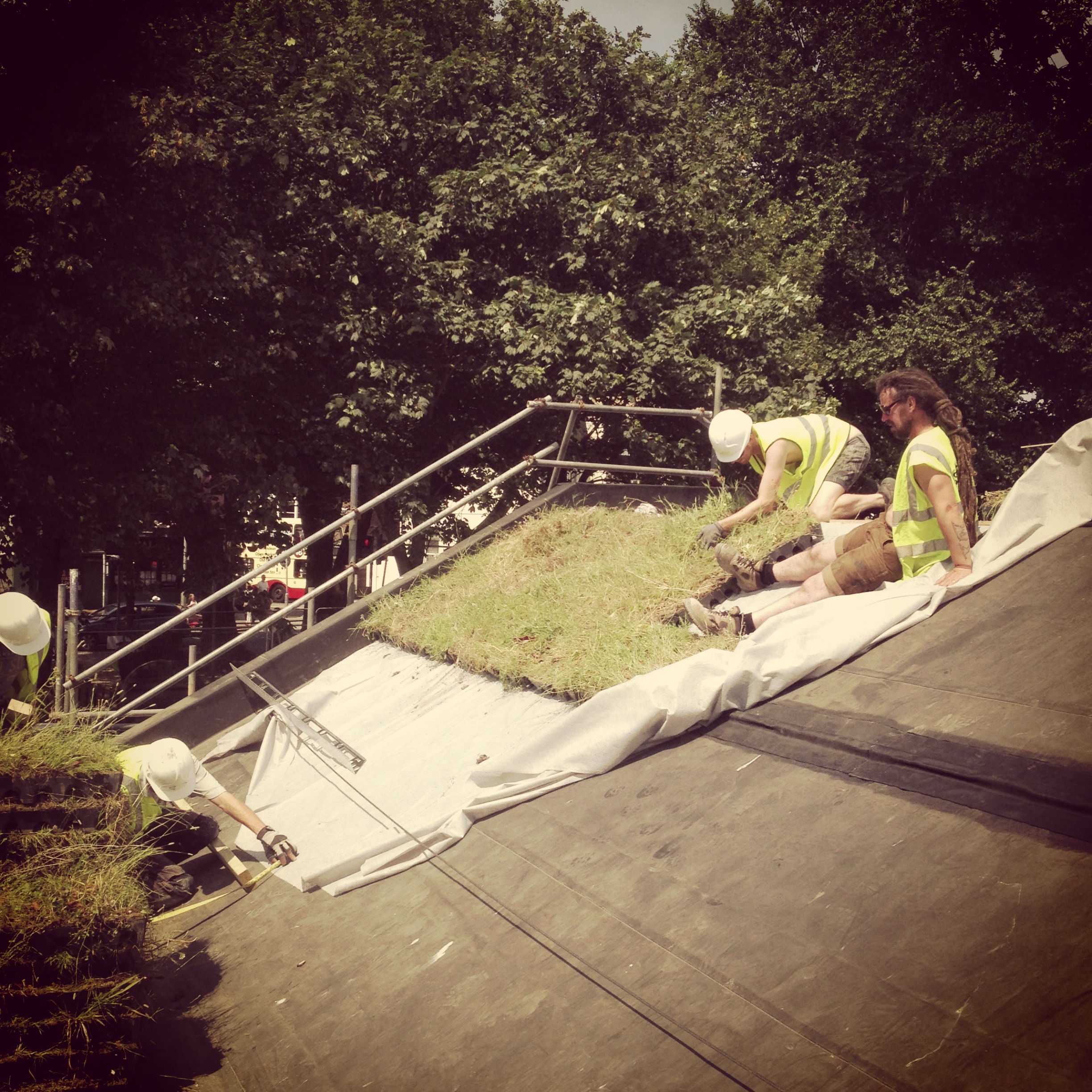
Taking place on the weekend of 18-19 October, participants will ‘learn by doing’ – building their own green roofed bird box to take home, visiting green roof projects in Brighton & Hove, and learning about the history, policy and technology of green roofs from leading practitioners.

Building Green DIY course March 2013

Building Green DIY course March 2013

The course is hosted by the Brighton Permaculture Trust – you can make bookings from their site here.

Hospital revamp approved

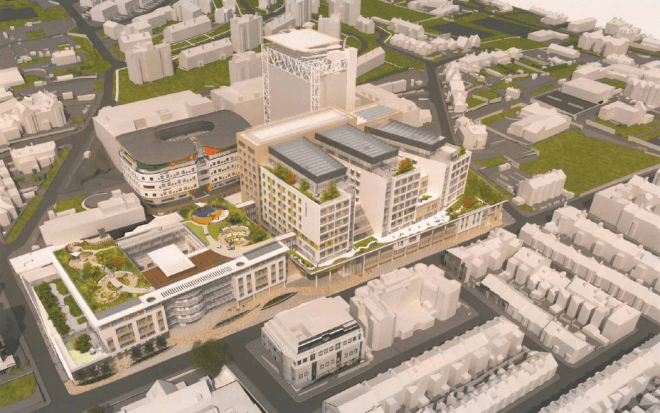
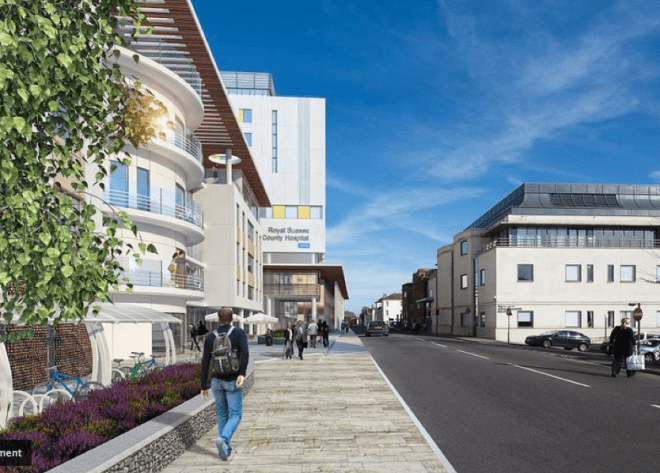
The Outline Business Case for the £420 million redevelopment of the Royal Sussex County Hospital (RSCH) has been approved by HM Treasury and was formally announced on Thursday 1st May 2014.

This approval allows us to move forward with confidence into the next phase of the redevelopment: completing the detailed interior designs and preparing the site for the new hospital buildings.

“The announcement marks a genuine turning point in the future of healthcare for patients from across Brighton & Hove and beyond. The improvements brought about by this scheme will be experienced across the whole of our patient population from the frail elderly who are currently cared for in the second oldest ward building in the country, to those with the most specialised care needs, in services such as Cancer Care, Neuroscience and Intensive Care.”

The new hospital will have roof gardens and green roofs, likely to be the largest in the city.

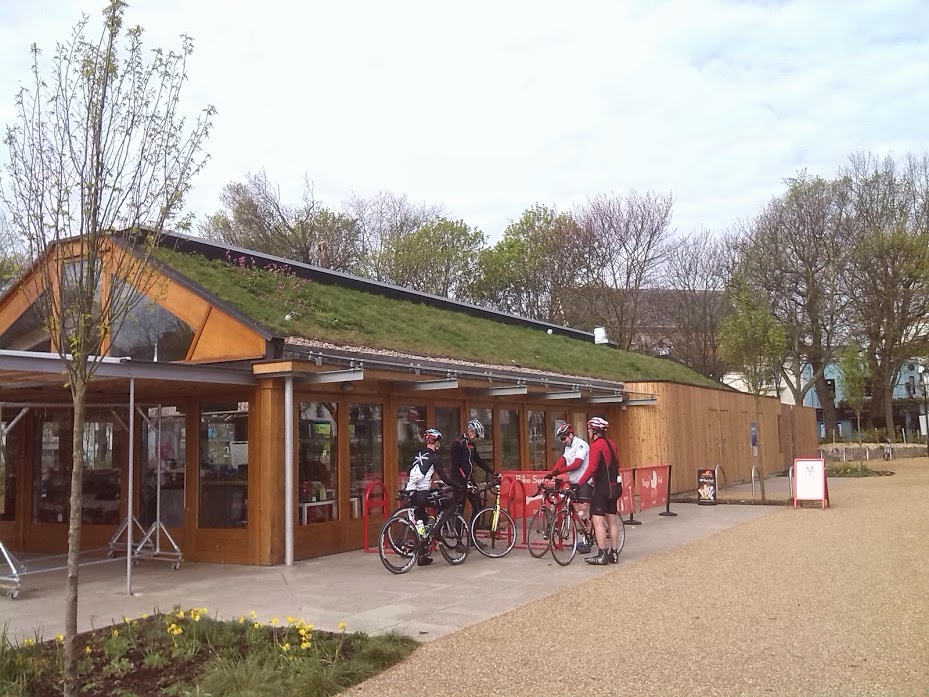
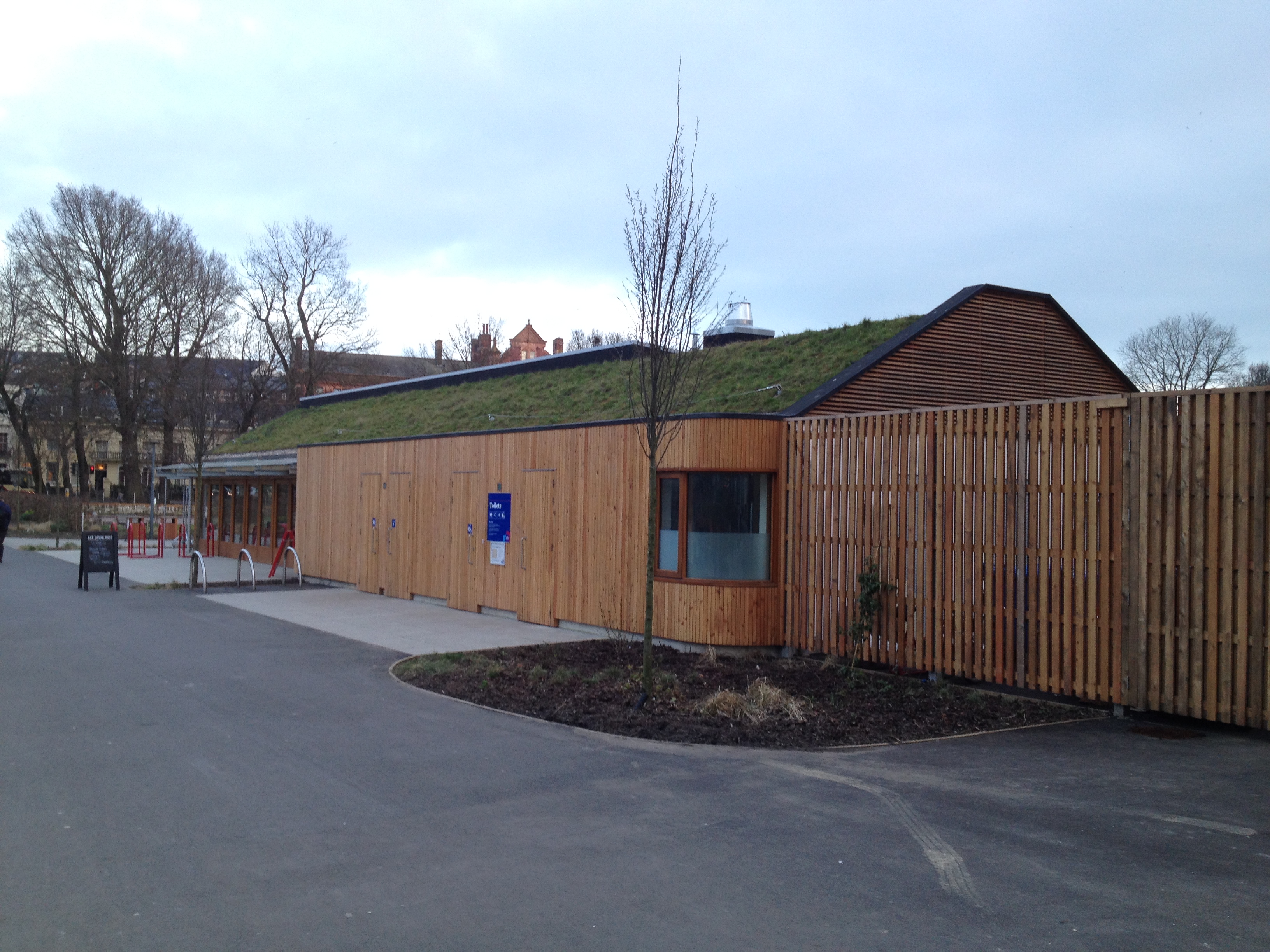
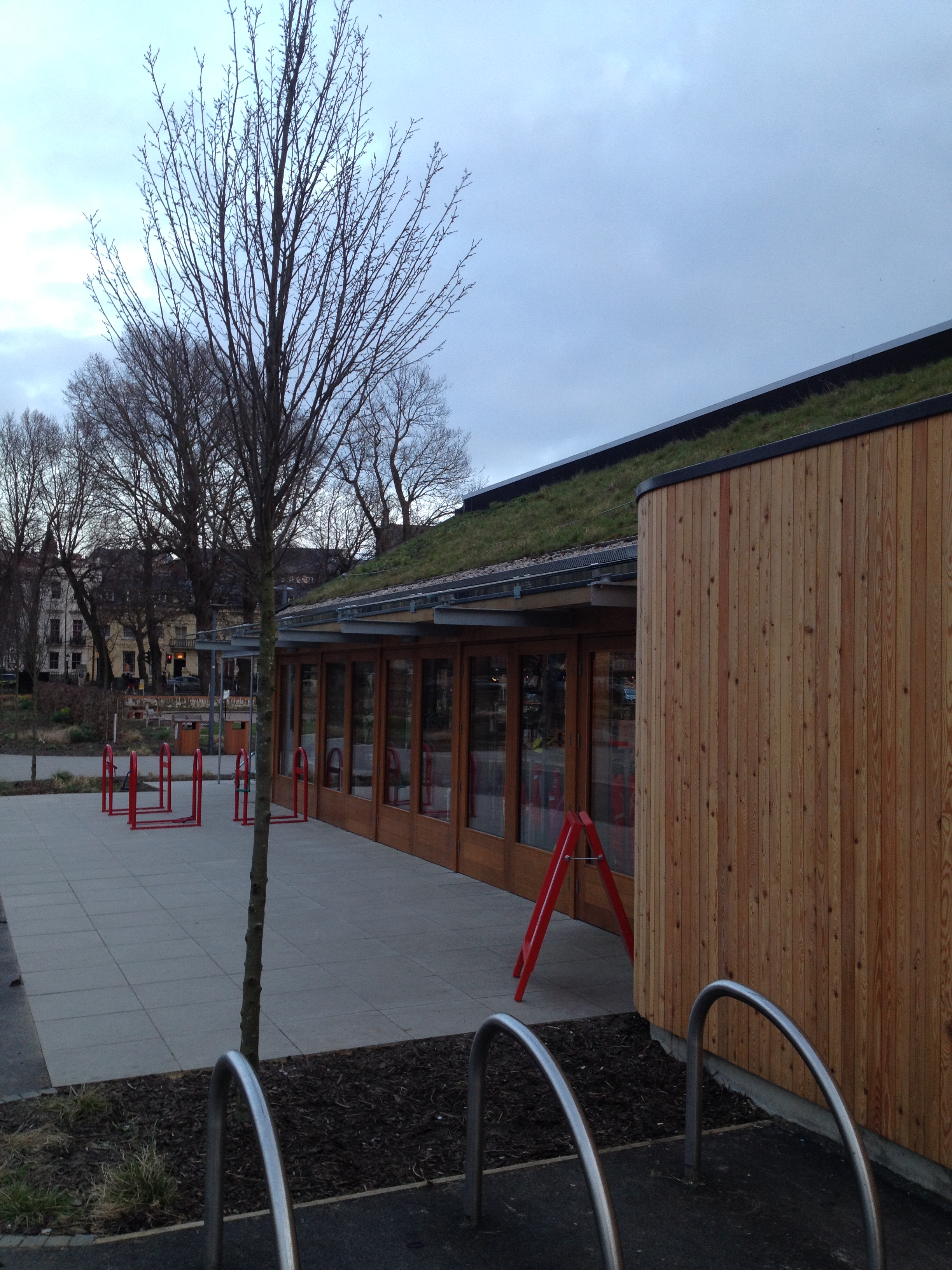
Wildflower Green Roof on Velo Cafe at The Level

Velo in action, 21 April 2014

Velo in action, 21 April 2014

photo 4

The new Level redevelopment, opened last Autumn, features as its centrepiece the Velo Cafe, a low-impact cycle hub and cafe with renewable electricity, rainwater harvesting and locally sourced foods.

photo 1

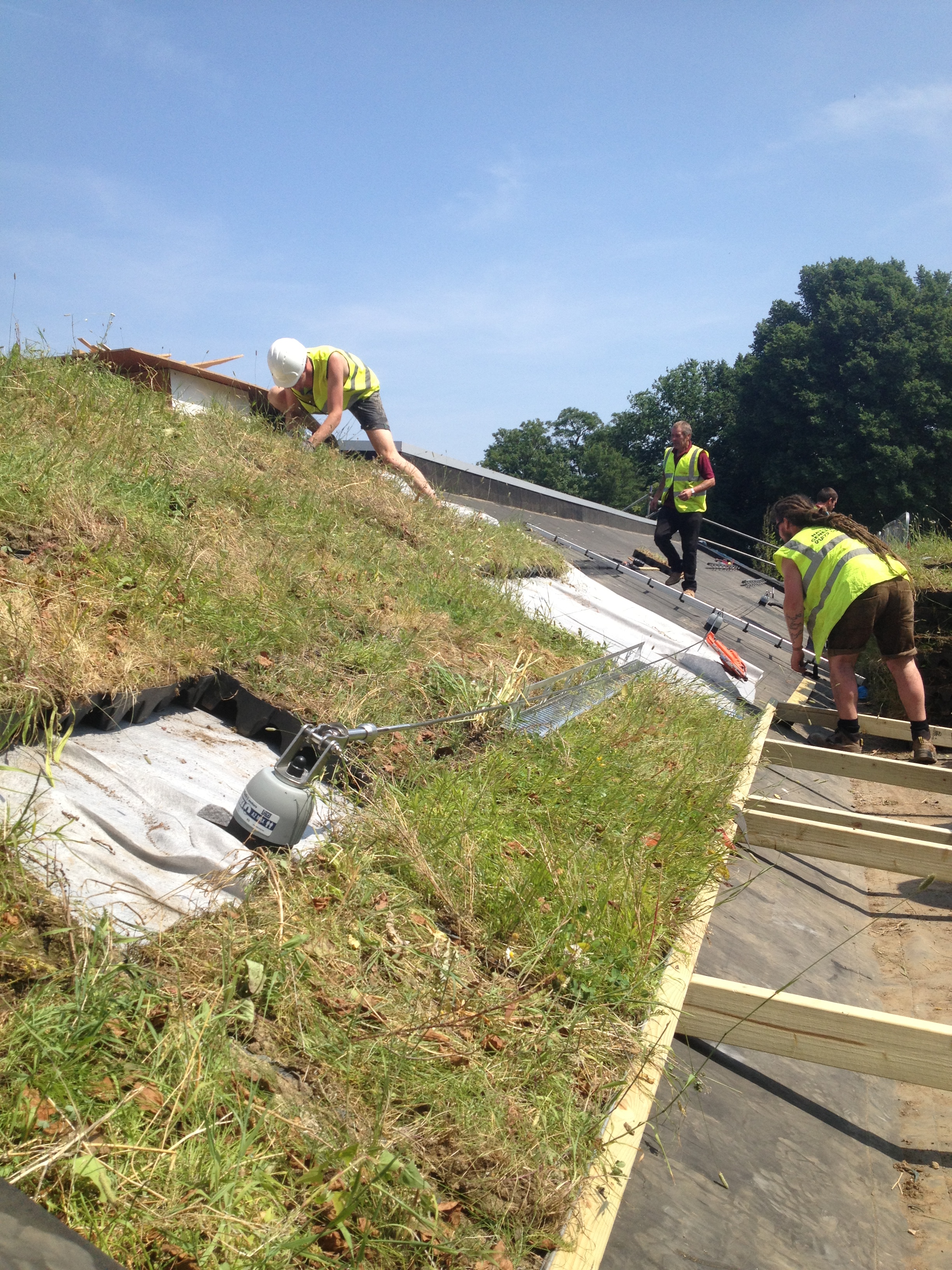
The roof was designed and installed by Organic Roofs Ltd of Brighton, using a modular system planted with a Downland-emulating wildflowers and grass mix from ANS, including Selfheal, Dropwort, Salad Burnet, Rough Hawkbit, Wild Marjoram and Hoary Plantain.

photo 5

The north side of the roof has fared a little better than the south during the hot summer post-installation but with some spring maintenance scheduled in the coming weeks by Organic Roofs and given the mixed weather of recent weeks the roof should be flowering soon.

photo 2

Images from Organic Roofs.

Madeira Drive green wall works reaches end of first phase

Down to inspect the works at the green wall today with the Council, Ecology Consultancy and CJ Thorne.

Building Green image of green wall

Excellent work building the new, wider bed with York stone, clearing away rubbish and rubble, and cutting back the of the ivy and spindle by RW Green to improve access to the wall and manage the sheer weight and volume of vegetation.

Building Green image of green wall

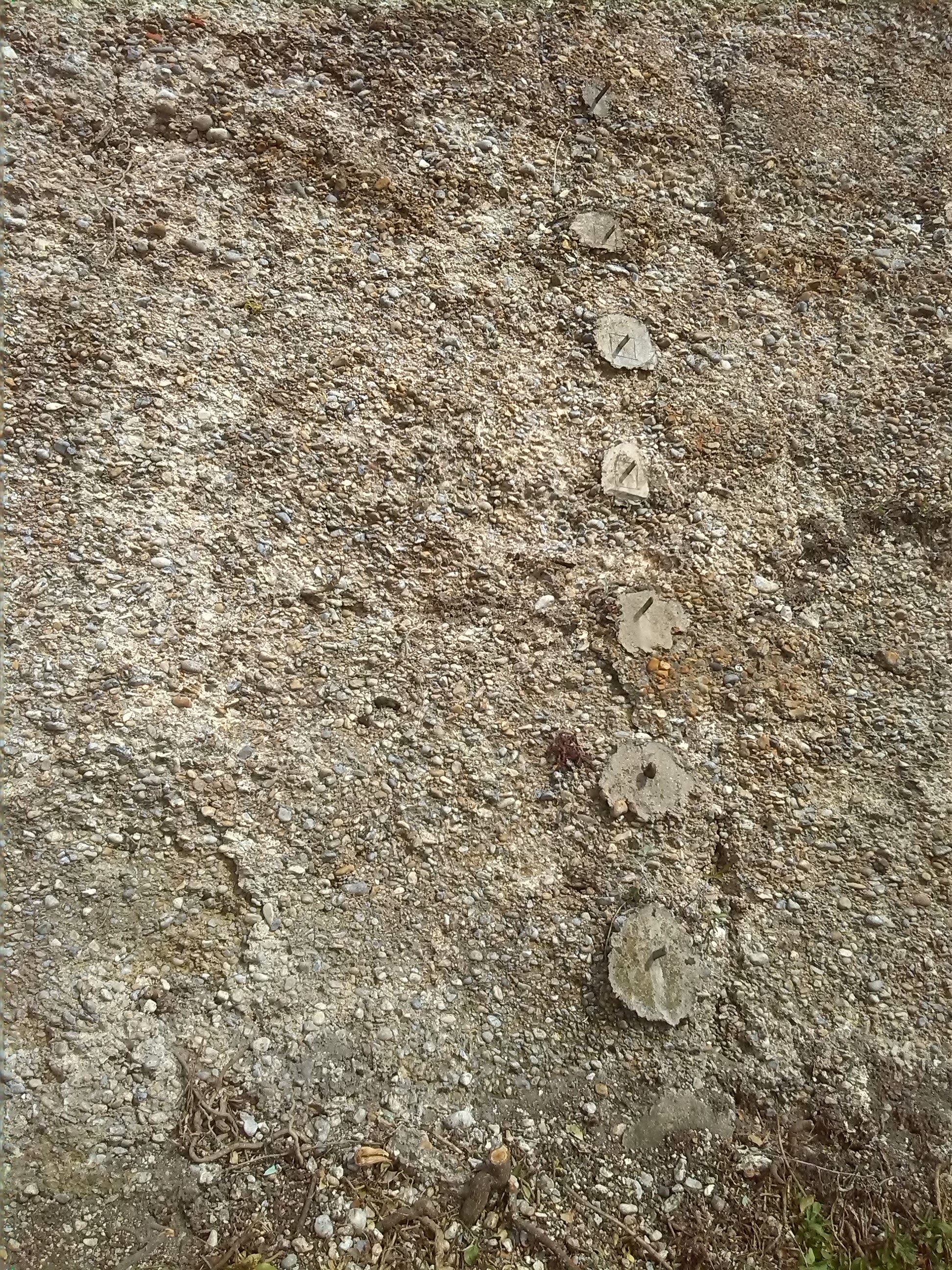
Some interesting finds – including very old brackets for training wires

Building Green image of green wall fixings

and a brick portal to…somewhere!

Building Green image of hole in wall

In September the concrete facing works will take place on the bare sections, which we plan to then plant up with more spindle, ivy and hopefully some troughs to encourage more plant species.

Then should be good (with a little maintenance) for another 200 years!

Victoria going green

At the other end of the line from Brighton, Victoria is going green in a big way.

If you’ve been lately, you’ll have noticed the huge new green walls.

Huge.

Now new development is set to establish 25 hectares of green roof, which will help with storm water control and improve biodiversity as well as – let’s face it – soften the urban impact of the area visually.

The 10-year regeneration strategy will create the green roof space the size of 30 football pitches to turn the area into one of the most sustainable and biodiverse areas in London.

A little hyperbole here from the news release, but you get the idea.

Here in Brighton, Building Green and the Council commissioned the Ecology Consultancy to map the potential for new and ‘retrofit’ green roofs as part of the Nature Improvement Area and (hopefully) the first UK Urban Biosphere Reserve. More on that mapping soon.

Joined up with all this stuff is the Catchment Partnership for the Adur & Ouse, which Brighton is slap bang in the middle of. The Draft Biosphere plan has this to say.

“A key element is water, as a resource for life and as a flooding risk. The Adur & Ouse Partnership is working with the Biosphere Project to implement the Water Framework Directive (WFD) locally. … In urban areas, the focus will be to develop more ’green infrastructure’ such as green roofs or rainwater storage to reduce flood risk by slowing or preventing water entering urban drainage networks…”

Now we just need to make it happen!

Major Conservation Project on ‘Green Wall’ in Brighton – Argus story

This from yesterday’s Argus

By Michael Davies, local government reporter

The Argus: Major Conservation Project on 'Green Wall' in Brighton

A MAJOR conservation project on one of the longest “green walls” in the country is under way.

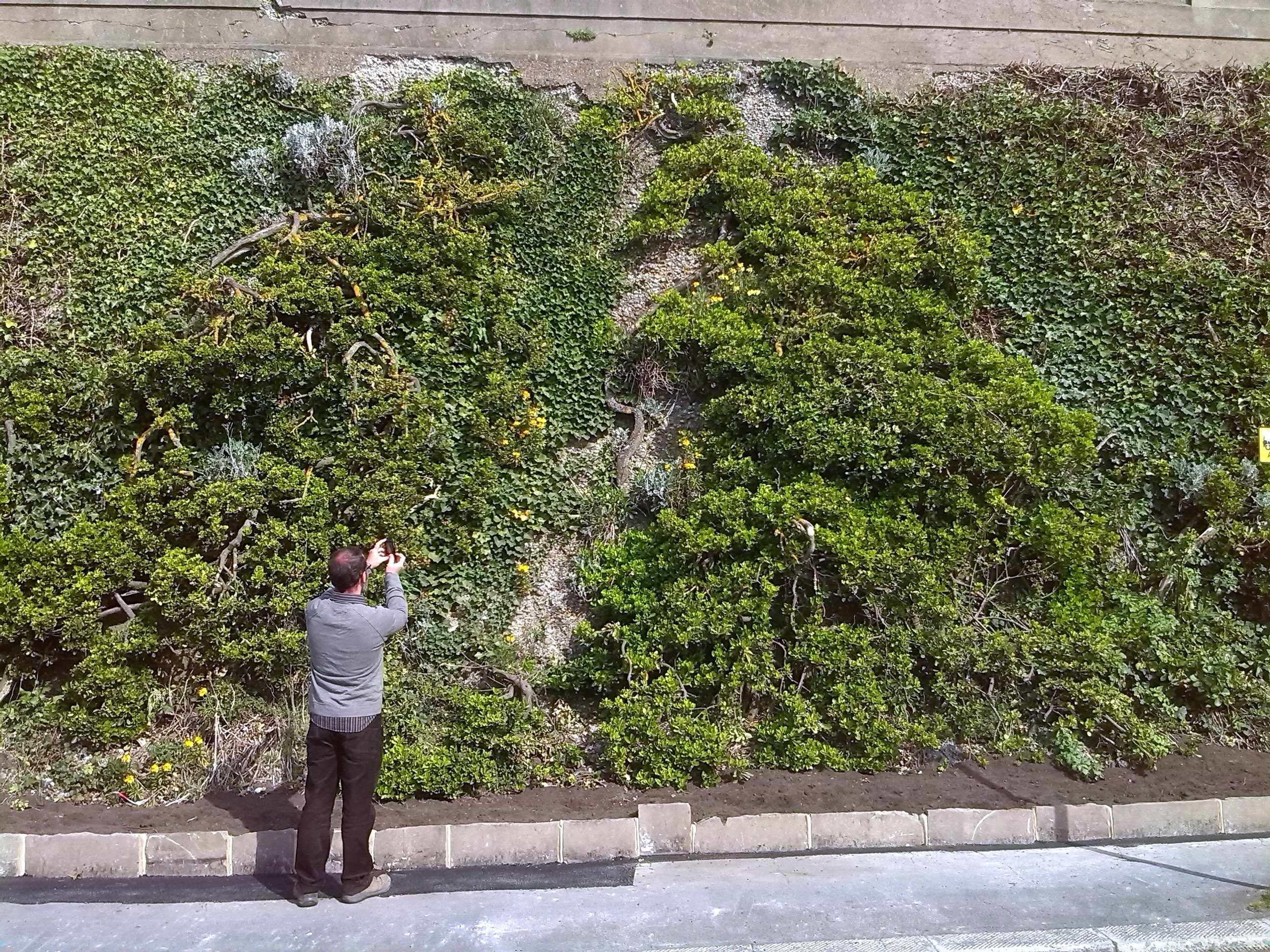
Work has started on the Madeira Drive retaining wall on Brighton seafront to protect more than 90 different species of coastal plants, which spread 20 metres high and 1.2 kilometres a bug the 200-year-old structure.

Brighton and Hove City Council has been working with the help of Brighton and Hove Building Green and the Ecology Consultancy to prune back the foliage and enlarge the bed at the foot of the wall.

Last year the green wall – which is on the north side of Duke’s Mound on Brighton seafront was designated as a local wildlife site by the city council.

Among the plants that will be protected by the works are the hoary stock, a coastal plant that is common on the south coast, cow parsley, which grows mostly through March and June, foxglove, which blooms in midsummer, and a fig tree and ferns.

One of the major features of the wall is a display of Japanese spindle, which was established in the 19th Century when the wall was first built, to help improve the appearance of the area.

It is believed to be among the oldest surviving species of that plant in the UK.

Work on the project, which will include health checks on the plants and repairing any damage to the concrete wall, got under way this week. It is hoped it will be completed before the next bird nesting season, which runs from March 1 to July 31.

It is not currently known how much the repairs will cost.

James Farrell, from Brighton and Hove Building Green, said: “The green wall is over 150 years old, supports 90 plant species, and is now the only Site of Nature Conservation Importance of its kind in the UK.

It forms a vital part of our natural and built heritage and has been under threat due to the deteriorating state of the East Cliff face.

The work that has started this week west of Duke’s Mound will safeguard the cliff face and green wall for the future.”

Councillor Ian Davey, deputy leader of Brighton and Hove City Council, said: “The variety of plants grow- ing on the Madeira Drive retaining wall makes it one of the most important ‘green walls’ in the country.

The plants and the wall are part of the seafront environment that we want to protect, providing a haven for wildlife and a source of enduring interest for people.”
Council starts work to preserve one of the longest green walls in Britain

Building Green has been instrumental in the planning for the future of the unique green wall on the seafront at Madeira Drive.

Work begins today to maintain the plants, and safeguard the integrity of the cliff face.

We have been working with the Council and our partners the Ecology Consultancy.


Madeira Drive green wall

Conservation work on one of the longest green walls in the country has begun this week on Brighton seafront to protect a huge variety of coastal plants and repair the concrete wall.

Over 90 different species are growing on the Madeira Drive retaining wall on the north side of Duke’s Mound to the east of Brighton seafront. Up to 20 metres high and 1.2 kilometres long on a wall nearly 200 years old, Brighton’s green wall is one of the oldest and longest in the country.

Brighton & Hove City Council is working with the guidance of Brighton and Hove Building Green and the Ecology Consultancy, pruning back foliage and enlarging the bed at the foot of the wall. This autumn the council will be carrying out repair work to the concrete wall itself to maintain the effectiveness of the wall and provide an ongoing habitat for plants and wildlife.

Last year the council designated the green wall a local wildlife site, ensuring its continued protection as the only site of its kind in the UK.

Councillor Ian Davey, deputy leader of Brighton & Hove City Council, said: “The variety of plants growing on the Madeira Drive retaining wall makes it one of the most important ‘green walls’ in the country. The plants and the wall are part of the seafront environment that we want to protect, providing a haven for wildlife and a source of enduring interest for people.”

As well as an impressive display of Japanese spindle growing almost up to the upper promenade, the wall contains the nationally scarce hoary stock, a coastal plant most commonly found on the south coast, with its striking white to purple flowers in early summer and with exquisite fragrance.

There is an incredible diversity of plants, from cow parsley and foxglove, usually found alongside woodland, to a fig tree and a number of shade tolerant ferns.

The Japanese spindle was deliberately established in the early 19th century when the wall was built, as a means to improve the appearance of the seafront for visitors and local people. Originating from Japan, Korea and China, these hardy plants are amongst the oldest surviving plants of this species in the UK.

Work is being carried out now on a 400 metre stretch to avoid the bird nesting season.