Hospital revamp approved

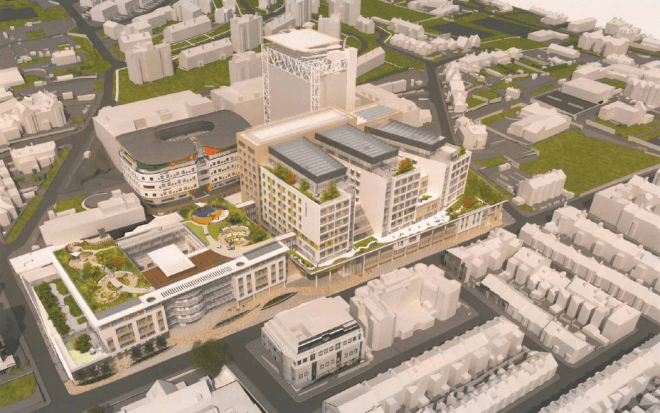
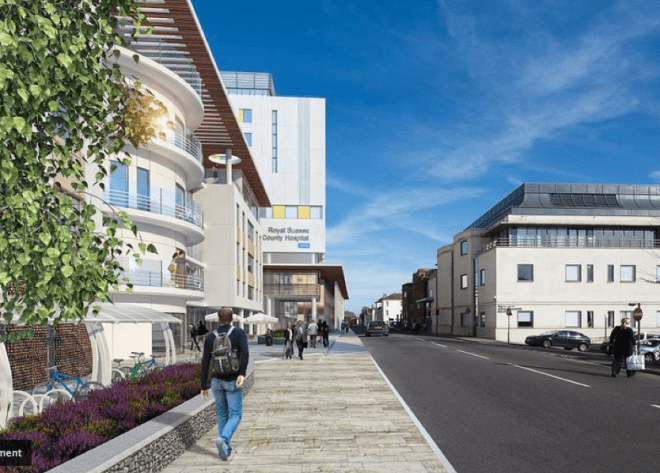
The Outline Business Case for the £420 million redevelopment of the Royal Sussex County Hospital (RSCH) has been approved by HM Treasury and was formally announced on Thursday 1st May 2014.

This approval allows us to move forward with confidence into the next phase of the redevelopment: completing the detailed interior designs and preparing the site for the new hospital buildings.

“The announcement marks a genuine turning point in the future of healthcare for patients from across Brighton & Hove and beyond. The improvements brought about by this scheme will be experienced across the whole of our patient population from the frail elderly who are currently cared for in the second oldest ward building in the country, to those with the most specialised care needs, in services such as Cancer Care, Neuroscience and Intensive Care.”

The new hospital will have roof gardens and green roofs, likely to be the largest in the city.

Victoria going green

At the other end of the line from Brighton, Victoria is going green in a big way.

If you’ve been lately, you’ll have noticed the huge new green walls.

Huge.

Now new development is set to establish 25 hectares of green roof, which will help with storm water control and improve biodiversity as well as – let’s face it – soften the urban impact of the area visually.

The 10-year regeneration strategy will create the green roof space the size of 30 football pitches to turn the area into one of the most sustainable and biodiverse areas in London.

A little hyperbole here from the news release, but you get the idea.

Here in Brighton, Building Green and the Council commissioned the Ecology Consultancy to map the potential for new and ‘retrofit’ green roofs as part of the Nature Improvement Area and (hopefully) the first UK Urban Biosphere Reserve. More on that mapping soon.

Joined up with all this stuff is the Catchment Partnership for the Adur & Ouse, which Brighton is slap bang in the middle of. The Draft Biosphere plan has this to say.

“A key element is water, as a resource for life and as a flooding risk. The Adur & Ouse Partnership is working with the Biosphere Project to implement the Water Framework Directive (WFD) locally. … In urban areas, the focus will be to develop more ’green infrastructure’ such as green roofs or rainwater storage to reduce flood risk by slowing or preventing water entering urban drainage networks…”

Now we just need to make it happen!

Major Conservation Project on ‘Green Wall’ in Brighton – Argus story

This from yesterday’s Argus

By Michael Davies, local government reporter

The Argus: Major Conservation Project on 'Green Wall' in Brighton

A MAJOR conservation project on one of the longest “green walls” in the country is under way.

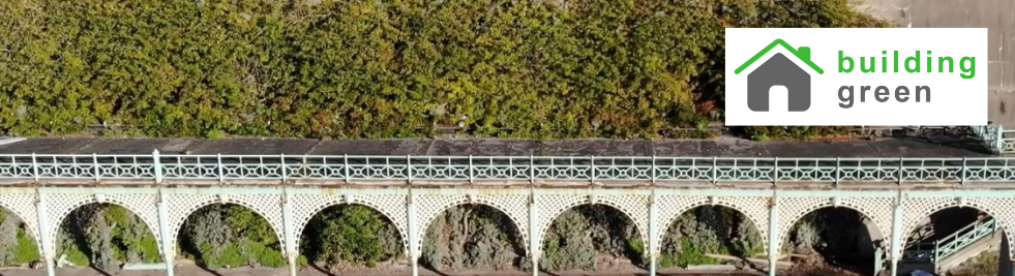
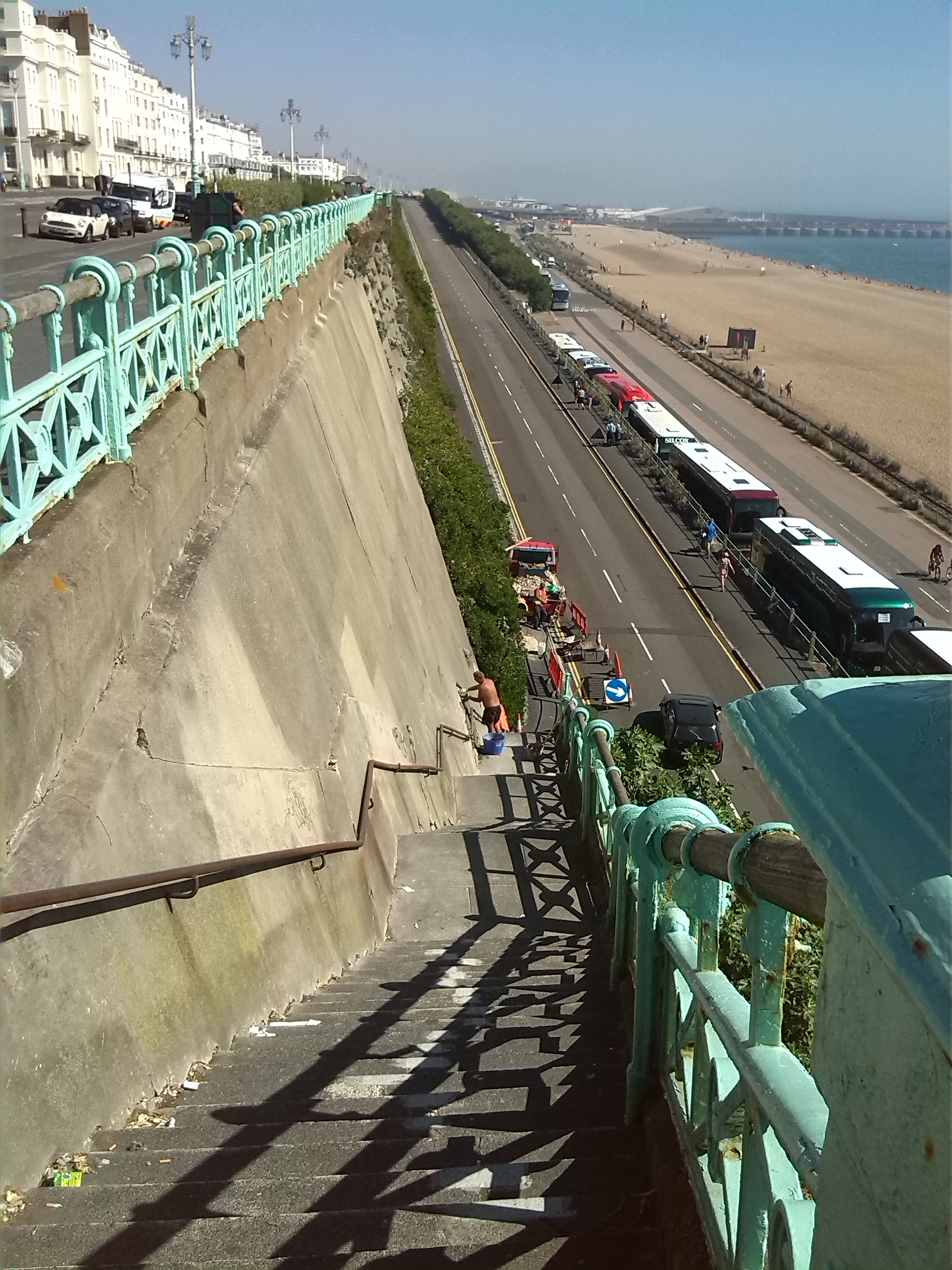
Work has started on the Madeira Drive retaining wall on Brighton seafront to protect more than 90 different species of coastal plants, which spread 20 metres high and 1.2 kilometres a bug the 200-year-old structure.

Brighton and Hove City Council has been working with the help of Brighton and Hove Building Green and the Ecology Consultancy to prune back the foliage and enlarge the bed at the foot of the wall.

Last year the green wall – which is on the north side of Duke’s Mound on Brighton seafront was designated as a local wildlife site by the city council.

Among the plants that will be protected by the works are the hoary stock, a coastal plant that is common on the south coast, cow parsley, which grows mostly through March and June, foxglove, which blooms in midsummer, and a fig tree and ferns.

One of the major features of the wall is a display of Japanese spindle, which was established in the 19th Century when the wall was first built, to help improve the appearance of the area.

It is believed to be among the oldest surviving species of that plant in the UK.

Work on the project, which will include health checks on the plants and repairing any damage to the concrete wall, got under way this week. It is hoped it will be completed before the next bird nesting season, which runs from March 1 to July 31.

It is not currently known how much the repairs will cost.

James Farrell, from Brighton and Hove Building Green, said: “The green wall is over 150 years old, supports 90 plant species, and is now the only Site of Nature Conservation Importance of its kind in the UK.

It forms a vital part of our natural and built heritage and has been under threat due to the deteriorating state of the East Cliff face.

The work that has started this week west of Duke’s Mound will safeguard the cliff face and green wall for the future.”

Councillor Ian Davey, deputy leader of Brighton and Hove City Council, said: “The variety of plants grow- ing on the Madeira Drive retaining wall makes it one of the most important ‘green walls’ in the country.

The plants and the wall are part of the seafront environment that we want to protect, providing a haven for wildlife and a source of enduring interest for people.”

Council starts work to preserve one of the longest green walls in Britain

Building Green has been instrumental in the planning for the future of the unique green wall on the seafront at Madeira Drive.

Work begins today to maintain the plants, and safeguard the integrity of the cliff face.

We have been working with the Council and our partners the Ecology Consultancy.


Madeira Drive green wall

Conservation work on one of the longest green walls in the country has begun this week on Brighton seafront to protect a huge variety of coastal plants and repair the concrete wall.

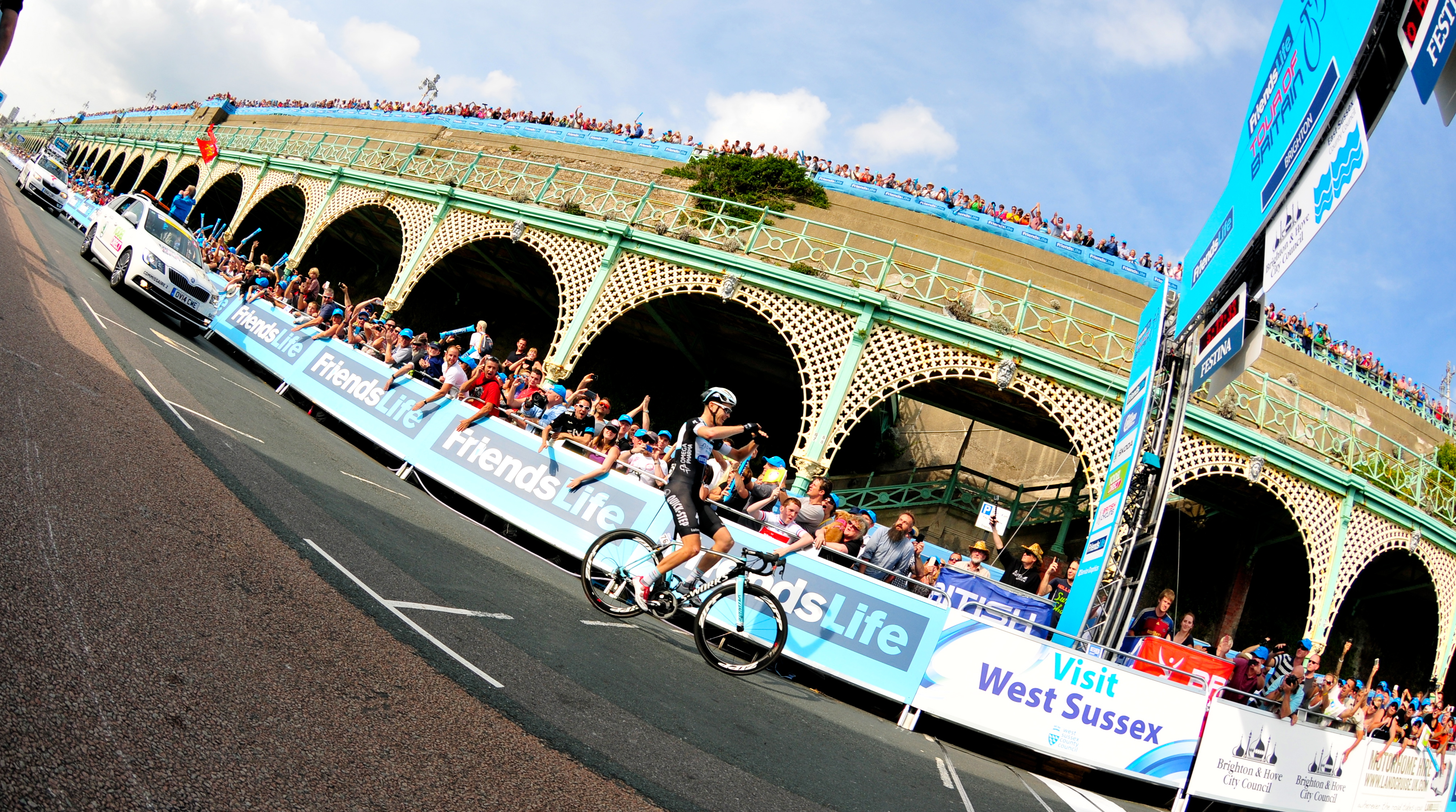
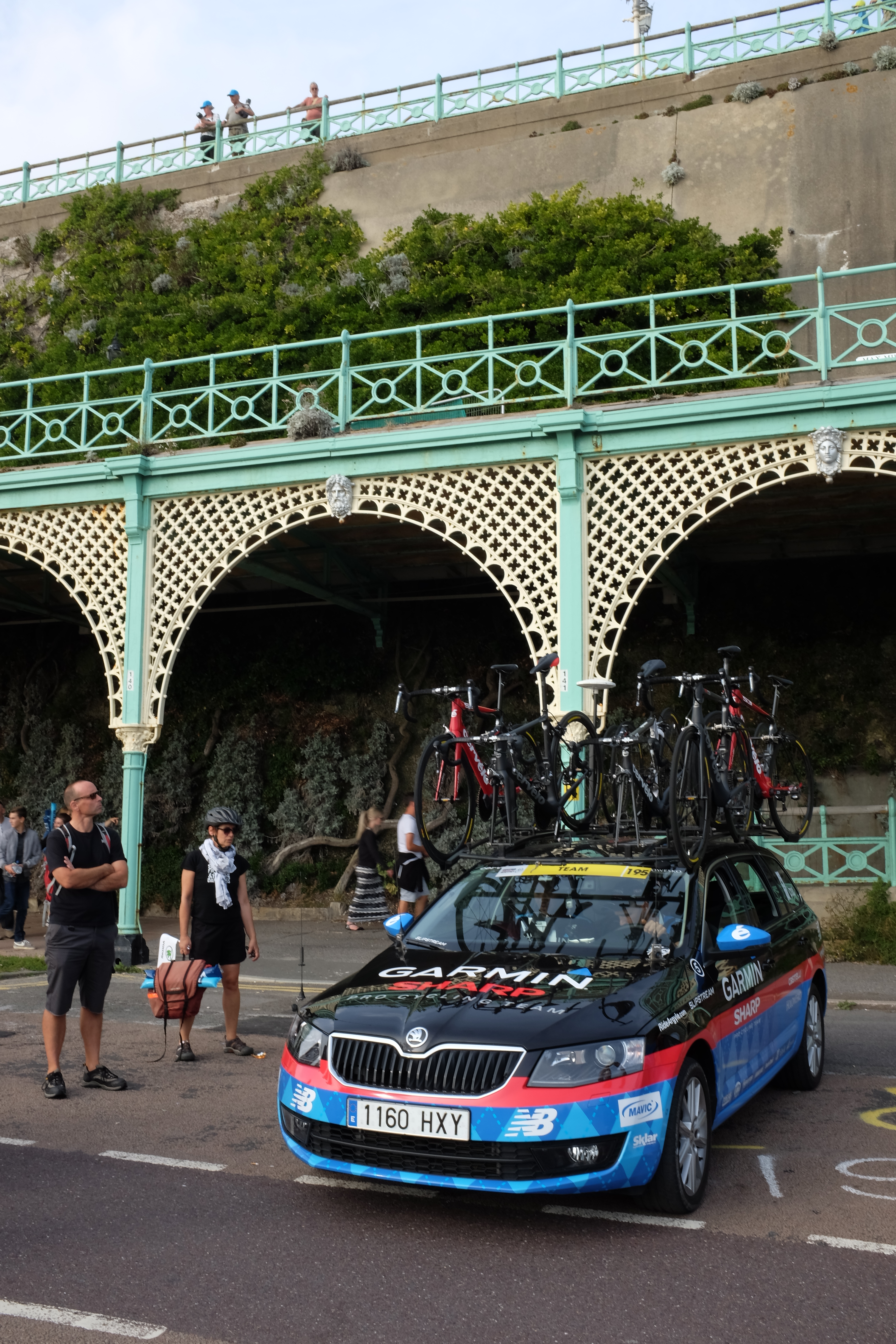
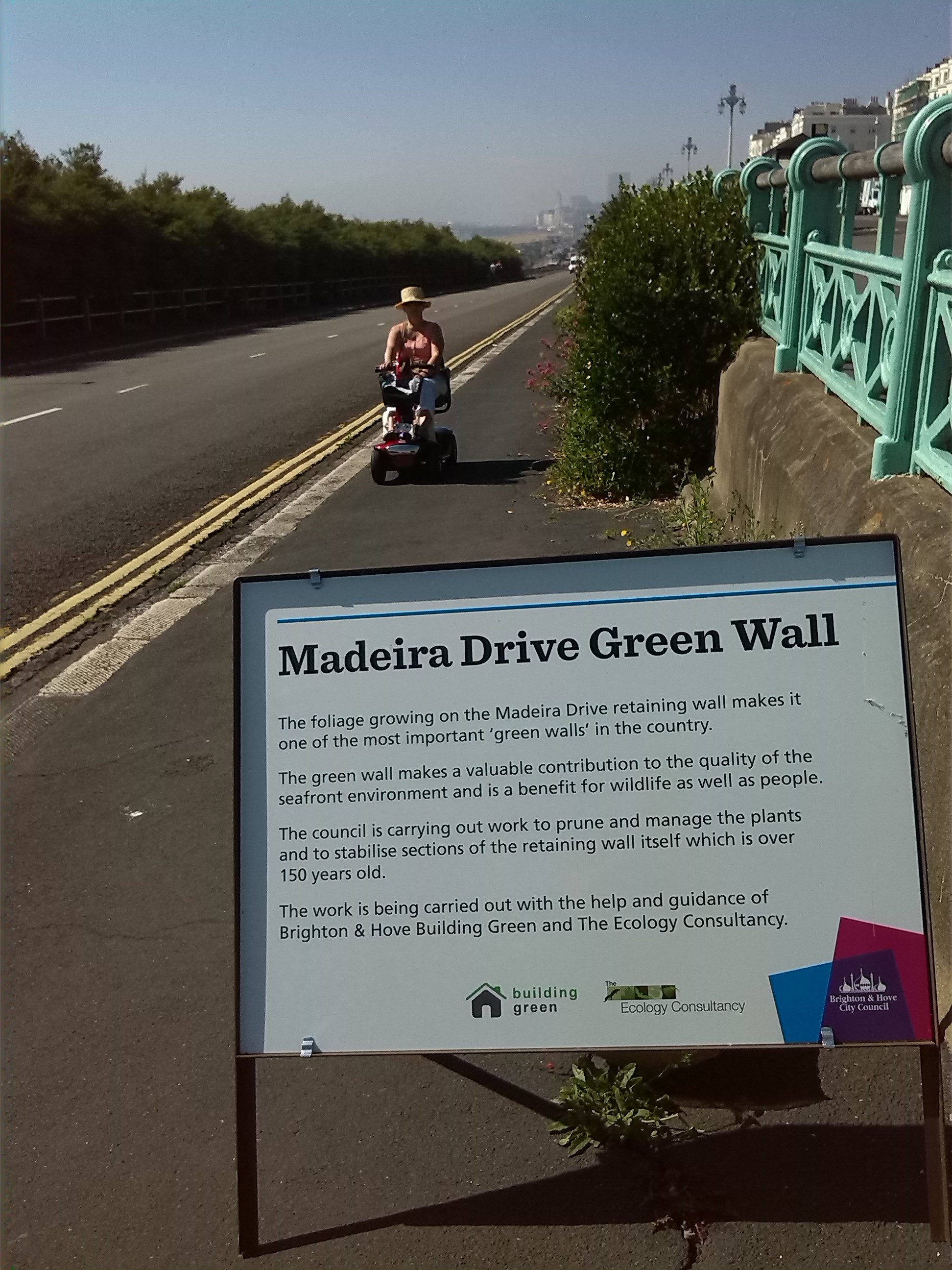
Over 90 different species are growing on the Madeira Drive retaining wall on the north side of Duke’s Mound to the east of Brighton seafront. Up to 20 metres high and 1.2 kilometres long on a wall nearly 200 years old, Brighton’s green wall is one of the oldest and longest in the country.

Brighton & Hove City Council is working with the guidance of Brighton and Hove Building Green and the Ecology Consultancy, pruning back foliage and enlarging the bed at the foot of the wall. This autumn the council will be carrying out repair work to the concrete wall itself to maintain the effectiveness of the wall and provide an ongoing habitat for plants and wildlife.

Last year the council designated the green wall a local wildlife site, ensuring its continued protection as the only site of its kind in the UK.

Councillor Ian Davey, deputy leader of Brighton & Hove City Council, said: “The variety of plants growing on the Madeira Drive retaining wall makes it one of the most important ‘green walls’ in the country. The plants and the wall are part of the seafront environment that we want to protect, providing a haven for wildlife and a source of enduring interest for people.”

As well as an impressive display of Japanese spindle growing almost up to the upper promenade, the wall contains the nationally scarce hoary stock, a coastal plant most commonly found on the south coast, with its striking white to purple flowers in early summer and with exquisite fragrance.

There is an incredible diversity of plants, from cow parsley and foxglove, usually found alongside woodland, to a fig tree and a number of shade tolerant ferns.

The Japanese spindle was deliberately established in the early 19th century when the wall was built, as a means to improve the appearance of the seafront for visitors and local people. Originating from Japan, Korea and China, these hardy plants are amongst the oldest surviving plants of this species in the UK.

Work is being carried out now on a 400 metre stretch to avoid the bird nesting season.

Maintenance begins on the Maderia Drive green wall

The Council has begun work to maintain the wall at Madeira Drive, starting with filling cracks in render and clearing out a re-filling the expansion cracks above the Volks Railway workshop.

Madeira Drive wall maintenance begins

Madeira Drive wall maintenance begins

IMG_20130904_142114

Building Green and the Ecology Consultancy are advising on the work – people are stopping to read the signs the council have put up, explaining what’s going on.

Green roof on The Level cafe

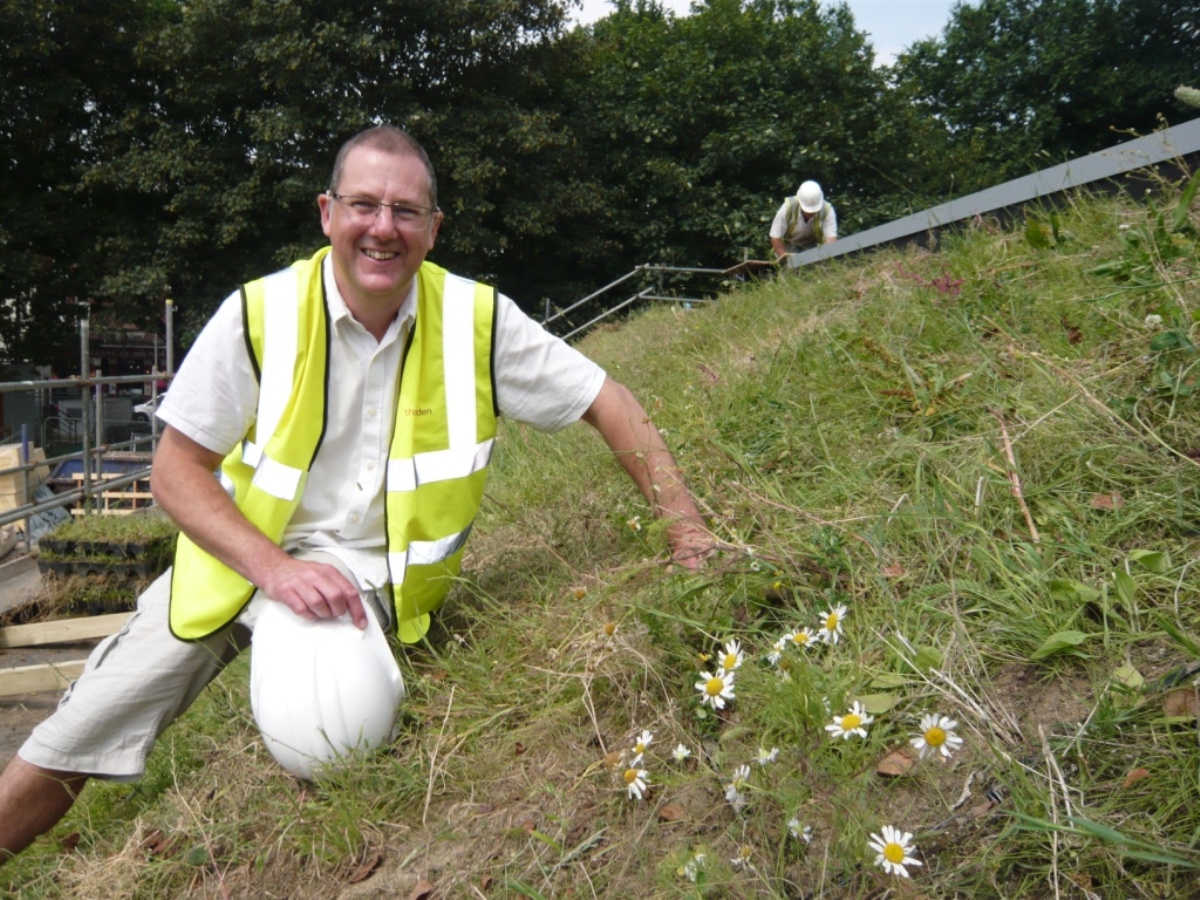
In case you didn’t notice,  The Level has had a major makeover. The new cafe has a steeply sloping green roof, planted with chalk grassland plants.

Designed and installed by Organic Roofs. Here’s the Argus story.


More than just a cycling-themed cafe at the Level in Brighton

6:30am Thursday 8th August 2013 in News

Councillor Pete West, chairman of the Brighton and Hove City Council’s environment, transport and sustainability committee

The city’s first cycling themed café is on track to open in the autumn.

Velo at The Level has been offered the lease on an eco-café as part of Brighton and Hove City Council’s £2.3 million restoration of the area.

Run by a team of local entrepreneurs headed by Nigel Lambe, co-owner of Small Batch Coffee Company, café Velo will combine a cycling theme with great coffee and outstanding food. The new single-storey café has high sustainability credentials, including a green, wildlife-friendly roof, solar thermal and PV panels, air source heating and a rainwater harvesting system.

The building, occupying a highly visible position at the heart of the park adjacent to the restored and re-landscaped Rose Walk, will feature glass doors opening out onto a substantial dining terrace on three sides.

Its positioning enables visitors to look out over the rest of the park, particularly the southern area with its new sensory gardens, water fountains, children’s play areas, restored pavilions, bridges and pergolas.

The café is expected to be open by the end of September, although the restored south end of the park, including the playground and the new skatepark has already re-opened to the public.

The new skate park at the Level

The new skate park at the Level

Living roof revolution – Brighton Argus article

For those that didn’t catch the Argus’ Saturday centre spread on living roofs and Building Green on 16 March, here it is.

Living roof revolution across Brighton and Hove

In News By Ben Leo, reporter

A green roof in Brighton and Hove

From suburban homes to giant water treatment plants, the city’s rooftops are turning green in a bid to cut carbon emissions and summertime temperatures. Ben Leo looks at why councils and businesses are reshaping the skyline

The mercury is rising, the beach is bustling and the sun is blazing away.

On hot days, temperatures in urban areas like Brighton and Hove can be 20 to 60 pe cent higher than in the surrounding countryside.

This is because land surfaces and some buildings, particularly those built with dark and dense materials, retain a substantial amount of heat and fail to find the capacity to release it until night-time.

That, coupled with concentrated energy use and less ventilation than in rural areas, creates a phenomenon dubbed the “urban heat island effect”, which has been blamed for an increased number of deaths in the city during heatwaves.

Brighton and Hove City Council is conscious of the problem and keen for businesses and residents to take action.

One of the biggest remedies for the urban heat island effect requires green-fingered gardeners to get the pitchfork out and take a trip up to the roof of their office block or home. Then, start work on planting your thriving “green roof”.

Green roofs maximise the use of otherwise wasted roof space by using it as an area of vegetation, cut summertime temperatures and lower our carbon footprint.

The idea is to create rooftop gardens full of plants, flowers and life.

They’re nicknamed “living roofs” and are designed to help lower urban air temperatures and reduce the heat island effect. Additionally, they absorb rainwater, provide insulation and create habitats for wildlife.

Requirement

London, backed by Mayor Boris Johnson, is spearheading the green roof agenda – all major new developments within the most of Westminster and the inner parts of Camden, Islington, Hackney, Tower Hamlets, Southwark, Lambeth and Kensington and Chelsea, are required to have a green roof.

Now there are calls for Brighton to follow suit. James Farrell, who works for the Environment Agency and the campaign group Building Green in Sussex, previously used his expertise to direct town hall chiefs in London on a greener path.

He said: “You can green any structure from a shed to a sewage treatment works, and there’s great evidence from around the world on how this approach to cities improves the way they look and feel for everyone who visits, or who lives and works in them.

“In my previous job I led on green roofs at the Greater London Authority, and developed the first UK planning policy requiring green roofs and walls on all major development.

Drainage

“The Mayor of London now expects green features like these on all major developments and encourages the London boroughs to expect the same.

“There has been a rapid uptake since and it’s becoming more common to see them.

“Green roofs help us handle flood risk by reducing the impact of heavy rainfall on our drainage systems and there are great benefits for keeping buildings cool to lower energy bills, and providing a home to urban wildlife. What’s more, seagulls don’t like them.”

It’s estimated that less than 1% of buildings in Brighton and Hove are host to a green roof.

Mr Farrell suggests the UK is a “long way behind” countries like Switzerland and Germany, where green roofs are required on all developments.

Public policy

He continued: “Here, we rely on goodwill and generally supporting policies in its local plan – but a firmer planning policy would make a huge difference.

“The current Local Plan has a general requirement for ‘new nature conservation features’ but no specific requirement for green roofs or walls and doesn’t recognise the wider benefits. With a bit of a bigger push from the council, we could catch up and be a flagship world city.”

Two years ago, Mr Farrell and Lee Evans, the founder of Organic Roofs – a leading grass roof installation company – set up courses to teach people how to install their own ‘DIY’ roofs.

He said: “This month we had 18 very happy participants who had fun learning the basics in the classroom, built their own green-roofed bird boxes to practise the principles, and visited a number of green buildings across |the city.”

Popularity

Despite low numbers of green-roofed buildings in Brighton, their popularity is increasing. Last year Organic Roofs saw their turnover trebled.

“We aim to encourage clients to emulate local ecological conditions with their roofs.

“We research the local biodiversity action plan and then cross-reference the priority species with their food source plants that we know will grow on a green roof, so that clients know their roofs are a small but meaningful contribution to their local environment and its challenges,” said Mr Evans.

One of the largest green roofs in Europe can be found at Southern Water’s new treatment works site in Peacehaven.

Covering an area of almost 18,000 square metres – the size of two-and-a-half football pitches – it’s been planted with downland grass to blend in with the surrounding landscape.

New projects

Bosses at the firm are so protective over the roof they drafted in birds of prey to stop crows and seagulls from digging it up.

The council has also invested in numerous green roof projects across the city, including at Whitehawk Library, Downs View Link College and Whitehawk Children’s Centre.

Further projects at The Level and at student accommodation in London Road are also in the pipeline.

Councillor Pete West, chairman of the environment and sustainability committee, said the council encourages green roofs because they reduce atmospheric pollution and encourage biodiversity without consuming scarce land.

It’s also helping town hall bosses work towards their green-goals in the Local Biodiversity Action Plan.

He continued: “In some cases they can provide high-rise green space for people with access to the buildings to enjoy and together with other greening features, such as green walls and urban landscaping, they can connect otherwise isolated green spaces to establish networks of green space through the city.

“This is important for biodiversity and ties in with our efforts to protect and conserve Brighton and Hove’s most important species.”