Victoria going green

At the other end of the line from Brighton, Victoria is going green in a big way.

If you’ve been lately, you’ll have noticed the huge new green walls.

Huge.

Now new development is set to establish 25 hectares of green roof, which will help with storm water control and improve biodiversity as well as – let’s face it – soften the urban impact of the area visually.

The 10-year regeneration strategy will create the green roof space the size of 30 football pitches to turn the area into one of the most sustainable and biodiverse areas in London.

A little hyperbole here from the news release, but you get the idea.

Here in Brighton, Building Green and the Council commissioned the Ecology Consultancy to map the potential for new and ‘retrofit’ green roofs as part of the Nature Improvement Area and (hopefully) the first UK Urban Biosphere Reserve. More on that mapping soon.

Joined up with all this stuff is the Catchment Partnership for the Adur & Ouse, which Brighton is slap bang in the middle of. The Draft Biosphere plan has this to say.

“A key element is water, as a resource for life and as a flooding risk. The Adur & Ouse Partnership is working with the Biosphere Project to implement the Water Framework Directive (WFD) locally. … In urban areas, the focus will be to develop more ’green infrastructure’ such as green roofs or rainwater storage to reduce flood risk by slowing or preventing water entering urban drainage networks…”

Now we just need to make it happen!

Major Conservation Project on ‘Green Wall’ in Brighton – Argus story

This from yesterday’s Argus

By Michael Davies, local government reporter

The Argus: Major Conservation Project on 'Green Wall' in Brighton

A MAJOR conservation project on one of the longest “green walls” in the country is under way.

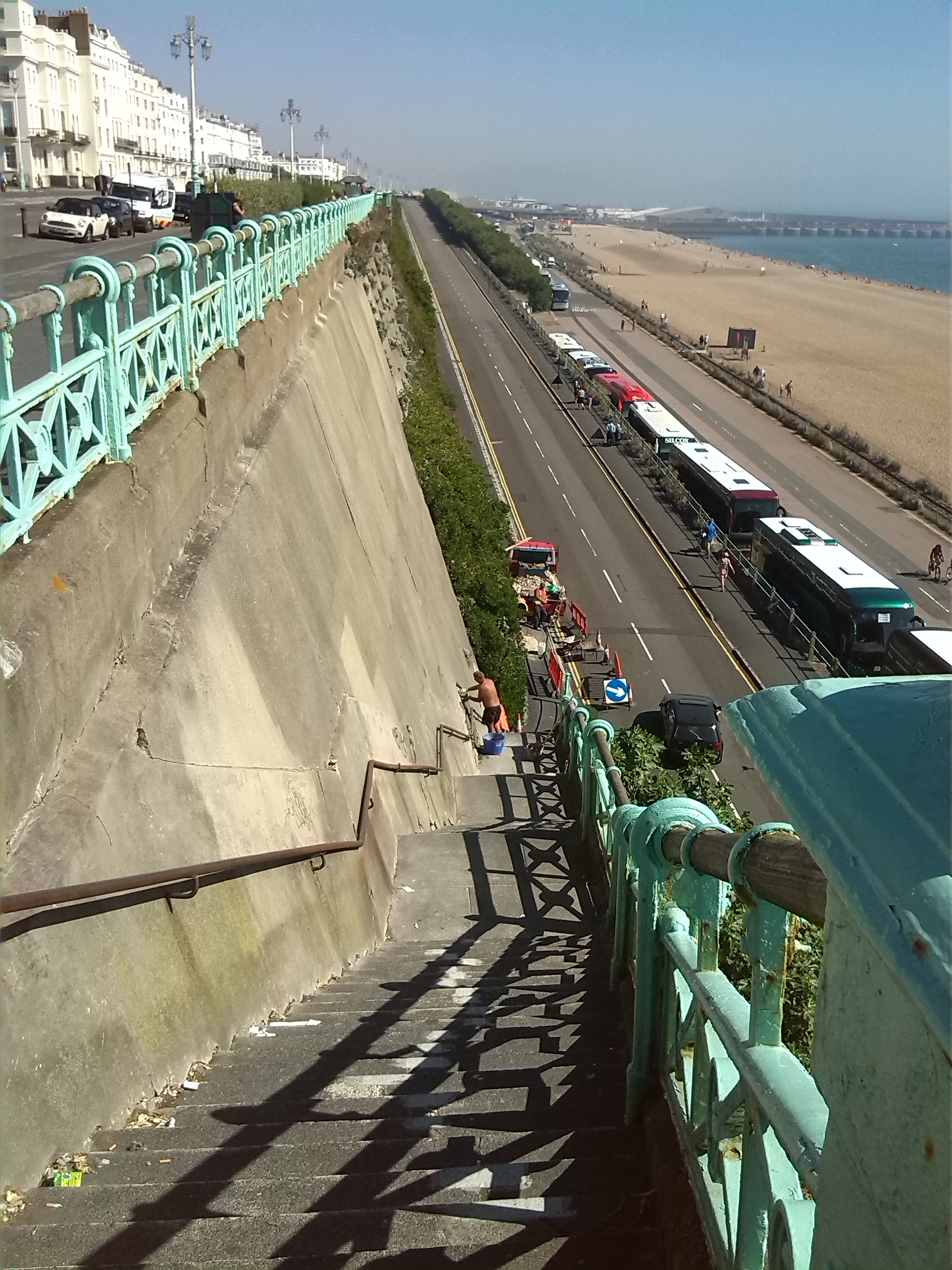
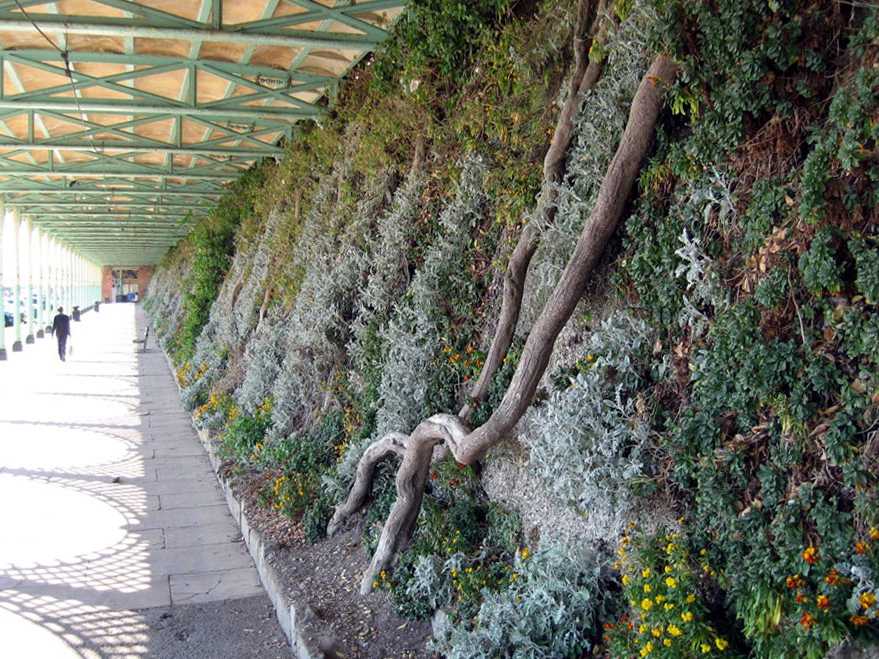
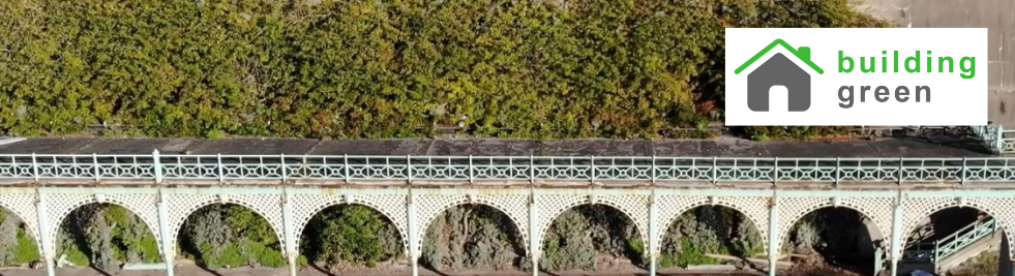
Work has started on the Madeira Drive retaining wall on Brighton seafront to protect more than 90 different species of coastal plants, which spread 20 metres high and 1.2 kilometres a bug the 200-year-old structure.

Brighton and Hove City Council has been working with the help of Brighton and Hove Building Green and the Ecology Consultancy to prune back the foliage and enlarge the bed at the foot of the wall.

Last year the green wall – which is on the north side of Duke’s Mound on Brighton seafront was designated as a local wildlife site by the city council.

Among the plants that will be protected by the works are the hoary stock, a coastal plant that is common on the south coast, cow parsley, which grows mostly through March and June, foxglove, which blooms in midsummer, and a fig tree and ferns.

One of the major features of the wall is a display of Japanese spindle, which was established in the 19th Century when the wall was first built, to help improve the appearance of the area.

It is believed to be among the oldest surviving species of that plant in the UK.

Work on the project, which will include health checks on the plants and repairing any damage to the concrete wall, got under way this week. It is hoped it will be completed before the next bird nesting season, which runs from March 1 to July 31.

It is not currently known how much the repairs will cost.

James Farrell, from Brighton and Hove Building Green, said: “The green wall is over 150 years old, supports 90 plant species, and is now the only Site of Nature Conservation Importance of its kind in the UK.

It forms a vital part of our natural and built heritage and has been under threat due to the deteriorating state of the East Cliff face.

The work that has started this week west of Duke’s Mound will safeguard the cliff face and green wall for the future.”

Councillor Ian Davey, deputy leader of Brighton and Hove City Council, said: “The variety of plants grow- ing on the Madeira Drive retaining wall makes it one of the most important ‘green walls’ in the country.

The plants and the wall are part of the seafront environment that we want to protect, providing a haven for wildlife and a source of enduring interest for people.”

Council starts work to preserve one of the longest green walls in Britain

Building Green has been instrumental in the planning for the future of the unique green wall on the seafront at Madeira Drive.

Work begins today to maintain the plants, and safeguard the integrity of the cliff face.

We have been working with the Council and our partners the Ecology Consultancy.


Madeira Drive green wall

Conservation work on one of the longest green walls in the country has begun this week on Brighton seafront to protect a huge variety of coastal plants and repair the concrete wall.

Over 90 different species are growing on the Madeira Drive retaining wall on the north side of Duke’s Mound to the east of Brighton seafront. Up to 20 metres high and 1.2 kilometres long on a wall nearly 200 years old, Brighton’s green wall is one of the oldest and longest in the country.

Brighton & Hove City Council is working with the guidance of Brighton and Hove Building Green and the Ecology Consultancy, pruning back foliage and enlarging the bed at the foot of the wall. This autumn the council will be carrying out repair work to the concrete wall itself to maintain the effectiveness of the wall and provide an ongoing habitat for plants and wildlife.

Last year the council designated the green wall a local wildlife site, ensuring its continued protection as the only site of its kind in the UK.

Councillor Ian Davey, deputy leader of Brighton & Hove City Council, said: “The variety of plants growing on the Madeira Drive retaining wall makes it one of the most important ‘green walls’ in the country. The plants and the wall are part of the seafront environment that we want to protect, providing a haven for wildlife and a source of enduring interest for people.”

As well as an impressive display of Japanese spindle growing almost up to the upper promenade, the wall contains the nationally scarce hoary stock, a coastal plant most commonly found on the south coast, with its striking white to purple flowers in early summer and with exquisite fragrance.

There is an incredible diversity of plants, from cow parsley and foxglove, usually found alongside woodland, to a fig tree and a number of shade tolerant ferns.

The Japanese spindle was deliberately established in the early 19th century when the wall was built, as a means to improve the appearance of the seafront for visitors and local people. Originating from Japan, Korea and China, these hardy plants are amongst the oldest surviving plants of this species in the UK.

Work is being carried out now on a 400 metre stretch to avoid the bird nesting season.

History of the Madeira drive green wall

Understanding the age and history of the green wall at Madeira Drive is taking some research! Comments and materials welcome…here’s what we understand so far.

1. Early 1700s

Beorthelm’s-tun, by now ‘Brighthelmstone’, remained a small fishing village (population circa two thousand) until the 1780s. The first sea defences were erected in Brighton in 1723 (funded from the first local taxes), and Georgian Brighton developed from 1780.

So for the first half of the 18th Century, and certainly before that time, the East Cliff can be considered relatively ‘natural’. It may have looked similar to West Beach at Newhaven, shown below, with erosion and colonisation by a range of native coastal plants.

Newhaven West Beach, Sussex University

2. Early 1800s.

Plants, almost certainly established naturally, are visible on the East Cliff (if you squint) as shown in this Constable painting of the Royal Suspension Chain Pier dated 1824-27 . Kemptown development begins in 1823.

Constable - Royal Suspension Chain Pier

2. 1830s

The book ‘In the news Brighton’ confirms that the East Cliff was faced with cement between 1827 and 1838, shortly after Constable’s painting. This ‘splendid and useful structure’ cost £100,000, stretches for 2 miles, and is composed of ‘concrete cement…boulder stones, lime and sand’. More at My Brighton & Hove.

According to Measuringworth.com that’s about £8 million in today’s money in terms of relative purchasing power.


4. Late 19th Century

Madeira Road (later Drive) construction begins in 1870. It would make sense to think that the planting took place at or after this time.

However this painting from the 1870s shows the plants already well established.

This is by William Earp (undated) – possibly 1870s.

William Earp, Royal Chain Pier

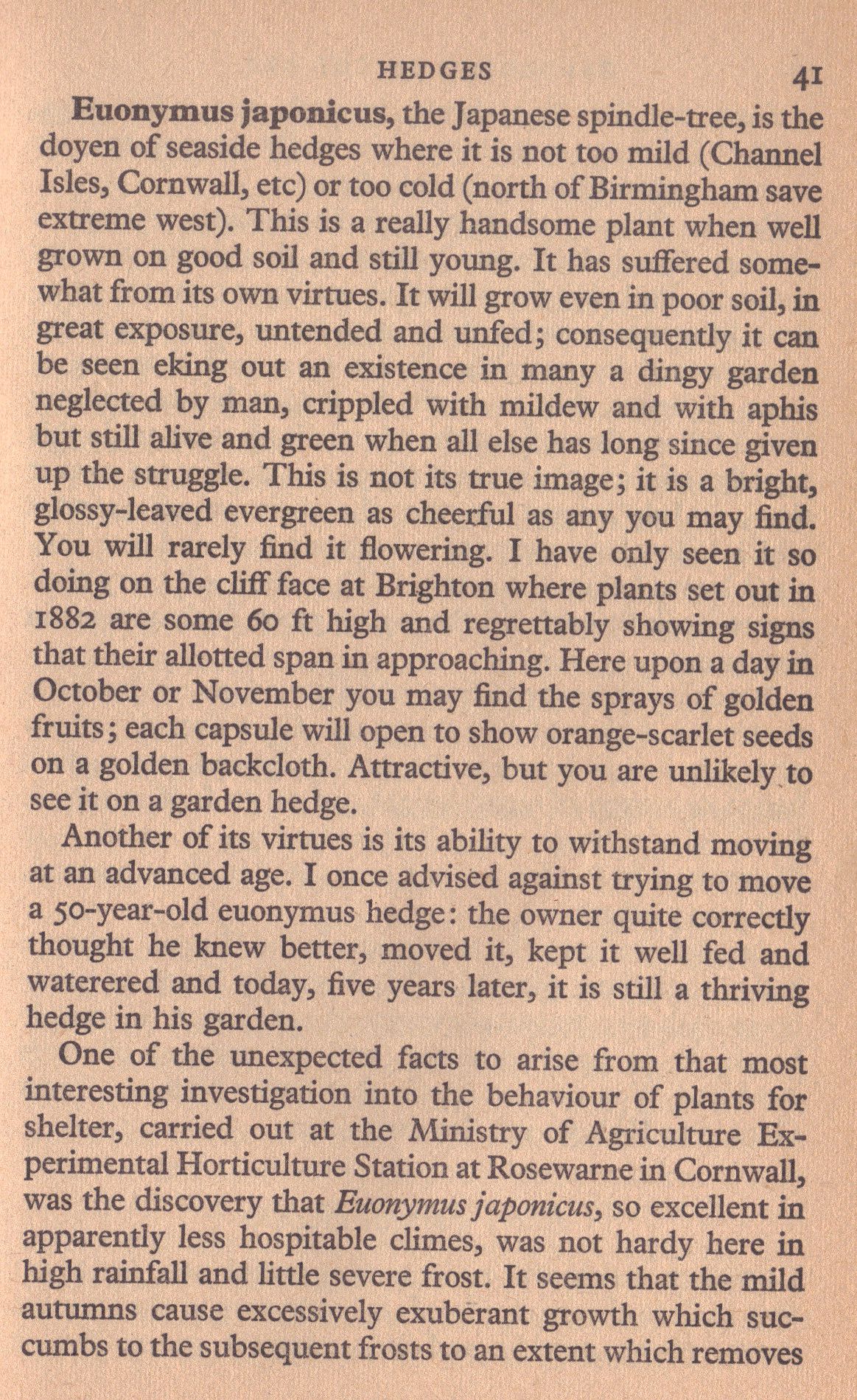
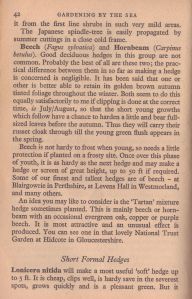
Notes from J.R.B. Evison’s 1969 book ‘Gardening By the Sea’ records ‘Japanese Privet’ planted on the cliff face in 1882 at least. Evison was Director of Parks at Brighton 1951 onwards. Evison notes ‘I have only seen it [flowering] on the cliff face at Brighton where plants set out in 1882 are some 60ft high…’

If that’s right, then Spindle – on Brighton seafront at least – grows at almost one and a half feet a year!
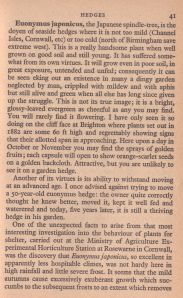
Japanese Privet - Description From 'Gardening By The Sea' P.41

Japanese Privet - Description From 'Gardening By The Sea' P.42

Looking for clues in botanical circles hasn’t helped much either yet. The GB Non-Native Species Secretariat incorrectly states that Japanese Spindle (the plant well established on the cliff now) was first recorded in the UK in 1897. Evison shows was here at least 25 years earlier, and this text has it introduced in England in 1804!

A nice later picture dated between 1883 and 1896 showing the planting well established on the rendered cliff face (and the old aquarium clock tower!).

East from the Sealife Centre

5. So…when was it planted!

Safe to say we’re not certain – not from this evidence at least. Again, shout if you know something we don’t!

Best (vague) date for a Japanese Spindle-based wall is mid-19th Century, if pushed then I’d go for 1870. But there has certainly been cliff vegetation on this site since work began on the Kemptown estate in 1823, and earlier through history as a natural part of the South coast seaside.

The modern green wall at Madeira Drive has honorable roots indeed.
 

Maintenance begins on the Maderia Drive green wall

The Council has begun work to maintain the wall at Madeira Drive, starting with filling cracks in render and clearing out a re-filling the expansion cracks above the Volks Railway workshop.

Madeira Drive wall maintenance begins

Madeira Drive wall maintenance begins

IMG_20130904_142114

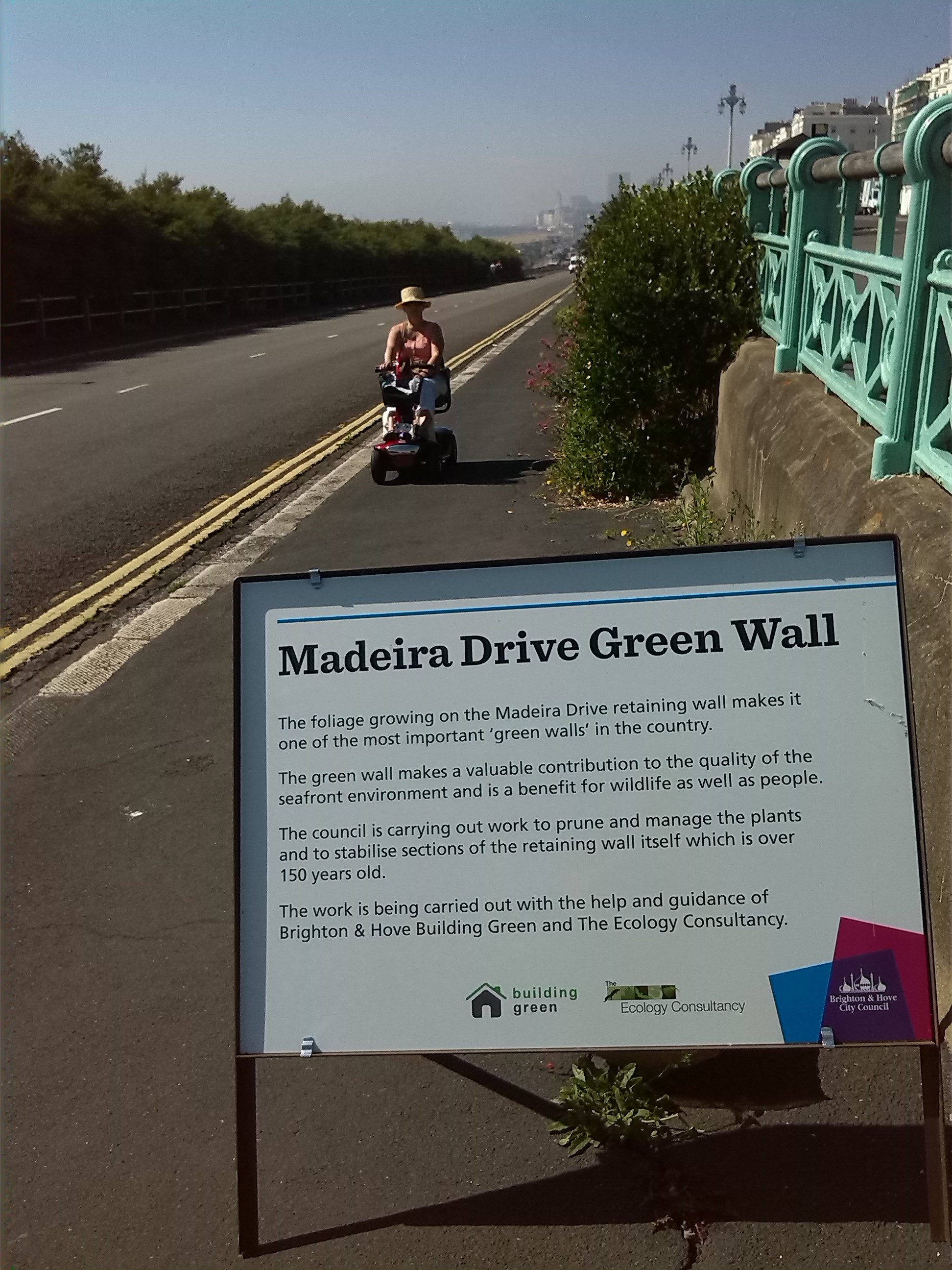
Building Green and the Ecology Consultancy are advising on the work – people are stopping to read the signs the council have put up, explaining what’s going on.

Old seafront posters

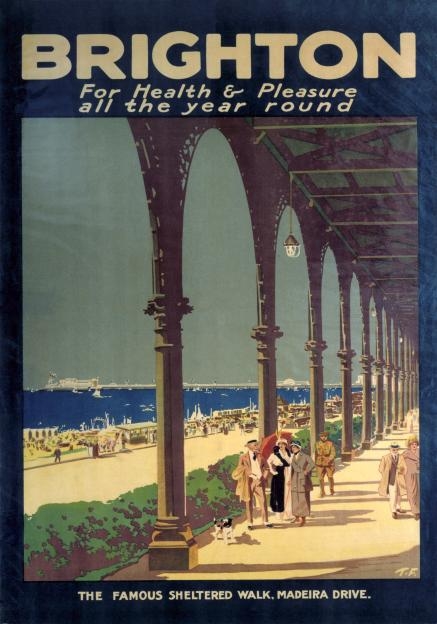
Old tourism posters showing the seafront planting I talked about in the last post, and promoting the benefits of the ‘covered walkway’ along Madeira Drive – now known as Max Miller’s Walk.

For health and pleasure all the year round

Here’s a photo of the speed trials in 1905, with climbing plants clearly visible along Duke’s Mound.

1905 Speed Trials, Brighton Marine Drive

And here’s the front in 1932, full of greenery. Let’s keep Kemptown seafront green, don’t you think?

1932 Kemptown seafront, in it’s finery and greenery

Keep our seafront green

Many Brightonians and visitors will have noticed the greenery on the seafront east of the pier. This is mainly Japanese spindle – an ornamental plant established in Edwardian era as part of the (now removed) formal gardens along Marine Drive, but there’s ivy and other plants too.

Green wall at Marine Drive Brighton

Green wall at Marine Drive Brighton

It’s possibly the largest and oldest growth of this plant in the UK – and without it the seafront would be a very dull and barren place – and wildlife like wrens and migrating butterflies would certainly suffer. I’m sure the green walls have a big benefit for managing run off too – and the ivy will protect the cliff render where it’s in good condition. I don’t think Max Miller would have approved – the aerial walk bears his name.

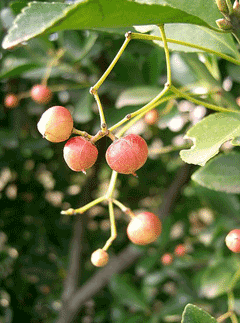
Picture of Japanese Spindle

Japanese Spindle – Euonymus Japonicus

The cliff face in some areas is in poor condition, and something will probably have to be done to cut the planting back to allow stabilisation works. Here at Building Green we’re working with the Council to see how this can be done whilst saving this vital greenery.

Green wall at Marine Drive, Brighton

Green wall at Marine Drive, Brighton

If anyone knows the best way to cut back or coppice this plant, would like to volunteer to do a botanical survey of the cliff, or can get involved in managing the Marine Drive planting, get in touch.

What we really don’t want is a repeat of what happened further East, where a long section of green wall was unceremoniously stripped away in the name of litter and pest control.

Building Green poster

Who cut out the green – Building Green campaign for better treatment of the seafront environment