Heritage lottery bid for Volks railway to run the trains on solar power

Went to the exhibition of the HLF bid today down at Yellowave.

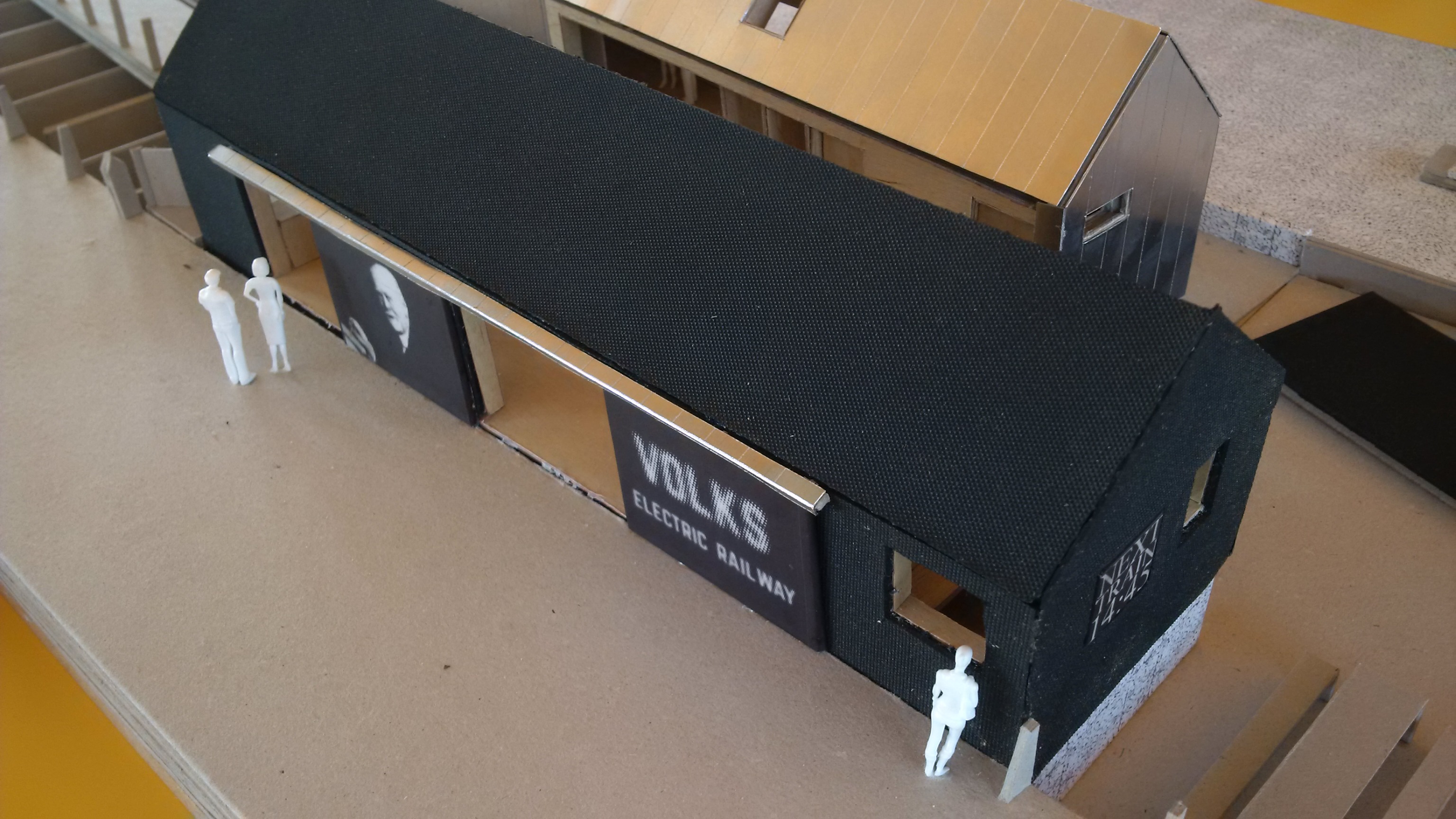
New sheds and visitor centre planned for the Volks railway, Brighton

New sheds and visitor centre planned for the Volks railway, Brighton

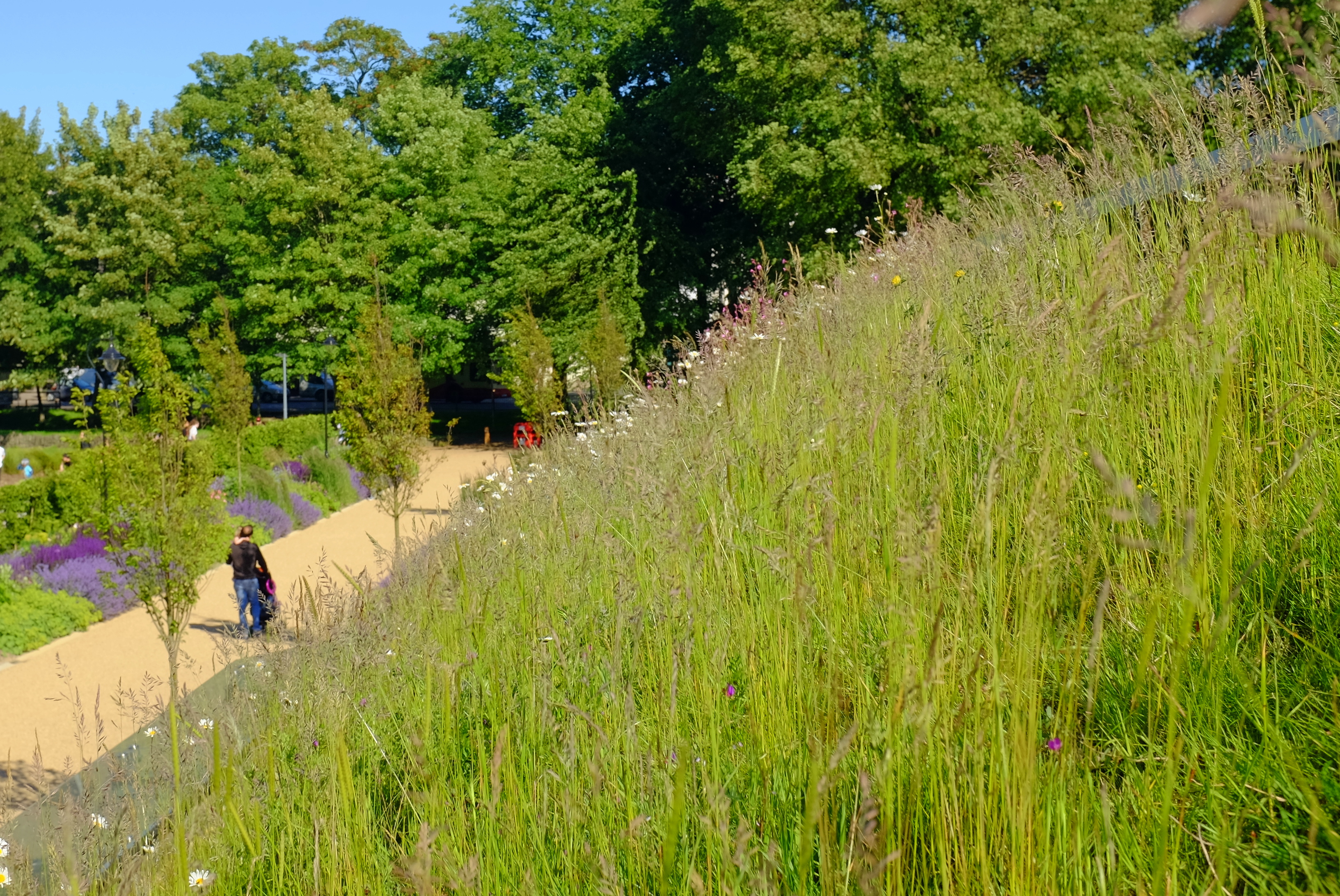
Met the team, and really impressed by the plans – including enough solar power to run 2 trains entirely on renewable electricity! A habitat park is planned, and Building Green is hoping to be involved to help VERA and partners make this dream a reality.

Volks railway – Heritage Lottery Fund open meeting

Plans for the rejuvenation of Volk’s Electric Railway are at an advanced stage and this will be an opportunity for members of the public to talk to the architects and consultants.

A model of the proposed new Aquarium Station and Visitor Centre will be on display, as will detailed plans of the new sheds at Banjo Groyne.   Photographs of the three cars selected for restoration will also be available.

The event is being held at the Yellowave Clubhouse, 299 Madeira Drive from 1pm – 5pm.

new sustainability checklist for Brighton & Hove

The new Sustainability Checklist was published this month. All residential planning applications involving new builds and conversions within Brighton & Hove require a completed Brighton & Hove sustainability checklist.

Good news that it includes a section on Greening, which will help to make green features even more standard in developments.

It asks:

– does the development include green walls; and

– does the development include green roofs;

– how many trees will be planted?

If yes, it asks for more information including the number/area of the features, and the type of habitat green roofs incorporates.

Westergate Business Park

Part 1 of the City Plan states that the Council will continue to measure the success of its policies in part by measuring the area of green wall and green roof established through new development.

Taking a look at the portfolio for the Sustainability Checklist shows that greening is a clear ambition of the Council.

Green fingers Sunday is on! 10am, Sunday 29 March

We’re meeting on Marine Parade, at the top of the ramp up from Madeira Drive.

Just here.

We’ll be weeding the beds, sowing some seeds and probably planting some cuttings of Japanese spindle.

Come along to help, or just to say hi!

Here is the seed list – it will add colour and interest and help keep some of the less interesting weeds down.

% Latin name Common name
2.5 Achillea millefolium Yarrow
15 Centaurea nigra Common Knapweed
2.5 Daucus carota Wild Carrot
7.5 Galium verum Lady’s Bedstraw
10 Knautia arvensis Field Scabious
7.5 Leucanthemum vulgare Oxeye Daisy
7 Lotus corniculatus Birdsfoot Trefoil
15 Plantago lanceolata Ribwort Plantain
2 Plantago media Hoary Plantain
2.5 Primula veris Cowslip
15 Ranunculus acris Meadow Buttercup
7.5 Rhinanthus minor Yellow Rattle
5 Rumex acetosa Common Sorrel
1 Trifolium pratense Wild Red Clover

Huge potential for green roofs to improve the centre of Brighton

The first feasibility study and audit of the potential for green roofs in Brighton has been published.
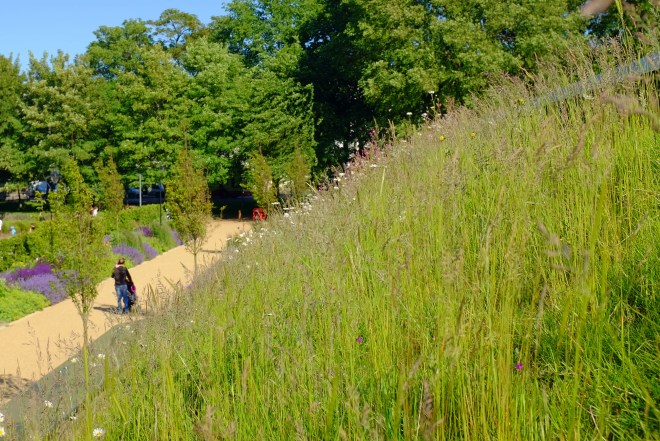
green roof

Green roof on the Velo cafe, The Level, Brighton – image by Building Green

The study examined a study area in Central Brighton, to assess the potential benefits of establishing green roofs.

It finds that 61 hectares of roofs in Central Brighton are suitable for retrofitting with green roofs, in a way which brings nature, summer cooling and storm water management benefits and improves the attractiveness of the cityscape.

This is equivalent to 87 football pitches-worth of new green roof space in the 9km2 area of the city that runs between the West pier and Dyke Road, and from Bear Road to Kemptown.

This area is highly urbanised, is susceptible to surface water flooding, and has limited open green space.

More on the benefits:

  • In terms of urban drainage benefits, it is estimated that 61ha of ‘biodiverse’ green roofs could attenuate between 3507.5m³ and 244,000m3 of storm water. In other words, up to 100 Olympic swimming pools of water would be held back from the city’s roads and drains at peak times. This could have a significant combined effect in reducing flooding and the need for additional, costly, engineering infrastructure.
  • Approximately 2.3MWh of electricity could be saved every year on cooling costs for buildings – via reduced or avoided air conditioning.
  • Greening roofs would also reduce the Urban Heat Island Effect, potentially providing an additional saving in cooling costs in the region of 1.3million kWh per annum.
  • The centre of Brighton would be far more attractive at roof level.

This work should be of interest to planners, architects, developers, environmentalists, householders and city businesses.

Download the Brighton Green Roof Audit

The study was prepared by Ben Kimpton (Senior Ecologist – The Ecology Consultancy) and The Green Roof Consultancy, it was supported by Matthew Thomas (former Ecologist – Brighton & Hove City Council), James Farrell (Chair – Brighton and Hove Building Green), Dusty Gedge (Founder – Livingroofs.org and Director – The Green Roof Consultancy) and Lee Evans (Director – Organic Roofs).