In praise of Sedums and Sempervivums

Most will think of Sedum (stonecrops) and their cousins Sempervivum (houseleeks) species when thinking of the right planting for a green roof. However, they often struggle to thrive long term in our climate and without the appropriate growing medium, or get out competed by grasses. It’s usually better to look around at surrounding natural habitat and try and replicate that with wildflowers and other  plants.

However, on green walls, gabions and other structures they can be very successful, as shown in these Brighton examples.

Featuring on the gabions at the Tempest Inn is Hottentot Fig, an import from South Africa that is very common on many of our coasts and forms dense mats that out-compete native plants. Fine on the gabions, not fine on the beach…

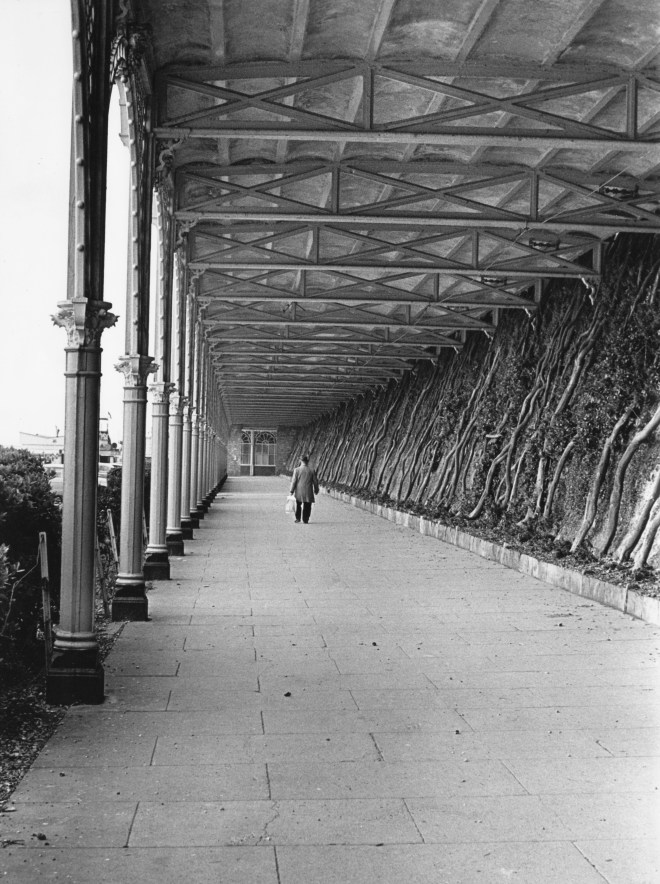
Madeira Terraces and the ‘famous sheltered walk’ – a step back in time

This superb shot by Paul Norman has recently come to our attention. It’s 1985 – shows the green wall East of the shelter hall is fully intact…sadly a few of these veteran (planted c1880) Japanese spindle trunks are missing now, but it’s still one of the best bits of green wall on the whole stretch. Also visible are the hedges that used to exist along on the southern edge of the terrace. Does anyone know what year they were taken out?

brightonmadeiradrive1985-paul-norman

Building Green is meeting with the Council on Friday to talk through the proposals for redevelopment of Madeira Drive. We are keen to offer our expertise and support.

Paul’s group Hanover Action, are doing some fantastic work to improve the quality of life for Hanover residents. Check them out here.

Building Green at the Hanover Action public meeting, 28 October

Building Green founder James Farrell is speaking at the next meeting of Hanover Action, Friday 28 October.

The meeting is from 6.30 pm at Hanover Community Centre on Southover Street, and there will be talks and plant stalls. More details here.

The subject is ‘Greening our urban landscape‘, and James is speaking about the potential to plant up your building surfaces.

Joining James is Organic Roofs head honcho Lee Evans, and Paul Norman from the One Planet Living Group.

Come along – it’s free! – learn stuff, make friends, get inspired!

Brighton & Hove Building Green

Green Gym planning a workout at the green wall

Portslade Green Gym volunteers will be at the Madeira Drive green wall again this week, working up a sweat whilst maintaining our natural heritage.

img_0942

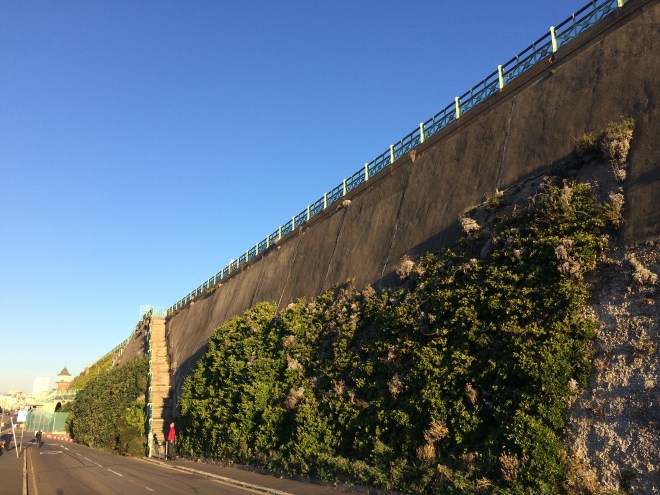
Madeira Drive Green wall below Paston Place, 10 October 2016

They will be tidying up the vegetation along the footpath, helping to maintain the biodiversity of the area whilst keeping things shipshape for pedestrians.

Why not pop along during the morning of 13 October 2016.

1937

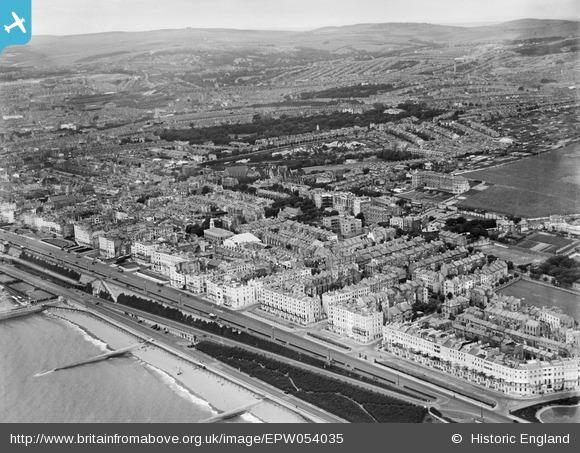
Madeira Drive green wall and Duke’s Mound from the air, 1935

Building Green is working with the Council and volunteers to protect this Victorian green wall – planted c1850 – and in time restore it along its length. It is the longest of its kind in the UK, and was planned alongside the unique listed Victorian ironwork of Madeira Terrace, the Shelter Hall, and the Volks Electric Railway.

Find out more here – more coming soon.


Some inspiration from across the Pond

So we like to think we have some great green roofs and walls here in Brighton. Well, we do – but there are lessons we can learn from others including the good citizens of Olympia WA, San Francisco CA and Portland OR.

I was lucky enough to visit this summer – here are some pictures that I hope act as inspiration. We could think, and act, so much bigger.

In the Government complex at Olympia, Washington, is a large area of green roof established on underground car parks. Food is grown for local food banks, tended by Government workers. Some lovely large squash ripening in the sun. There is a large area of wildflower mix (‘Ecolawn’) sown for insects and appearance, and is not watered. This has been established by the Department of Enterprise Services – basically the legal and procurement department!

Nearby, just outside the historic Capitol building, is an area of rain gardens that have been retrofitted to help manage storm water. They are very attractive, and feature seating to encourage enjoyment.

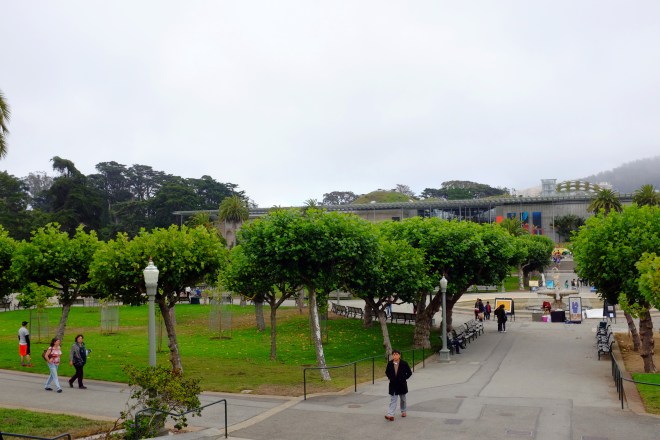
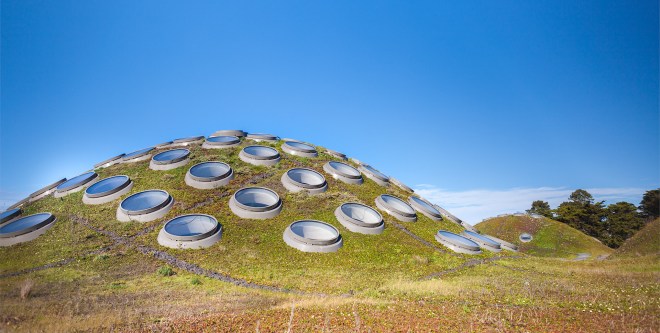
San Francisco Academy of Sciences has a living roof…that is so large it is a visitor attraction in its own right. Not a very good photo, so I’ve stolen one from the website and there are more here.
DSCF2283

living_roof_hero_lg-3

Also in San Francisco were these mini gardens, usually in shopping areas, that brought planting into very urban settings, softened the street scene and provided fun features and places to relax. A ‘public parklet’ indeed!
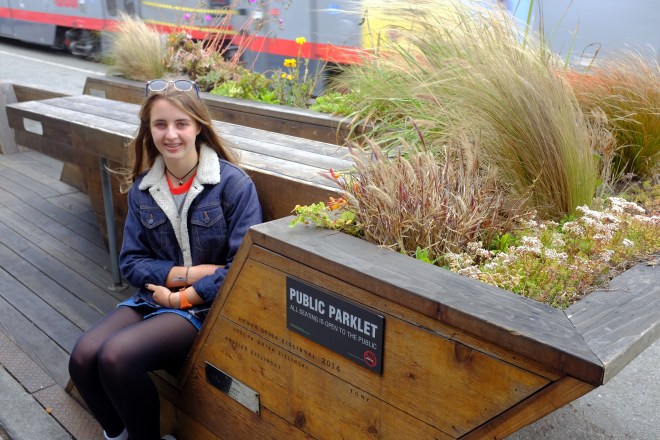
DSCF2280.JPG

Portland, Oregon is well known for its approach to sustainable urban planning and design. The whole neighbourhood we stayed in (Alberta – much like Brighton in its hipsterness) has bioswales and other street level drainage built in. Basically permeable sidewalks (ownership extends to the kerb so householders plant up their strip of sidewalk however they like), roof drainage to ground level, street level swales and other features incorporated into street furniture and traffic calming. Drains are clearly marked to encourage people not to use them for disposing nasties. Much of the sidewalk strip was used to grow veggies and fruit – including a nearby pub that harvested salad crops from the street and boasted of it on its menu.

Here in Brighton, a number of partners including the Council and Environment Agency have launched a pilot ‘sustainable drainage’ scheme in Portslade. Great, but surely we could be bolder?
Madeira Drive – further designs published

New designs have been published for Madeira Drive – attempting to address the restoration of the Victorian arches whilst regenerating the seafront between the Pier and Marina.

This is the latest in a number of ideas – see Michael Doyle’s and the Council backed ideas of Sea Lanes and the ‘Lockwood Project’ that aims to retain and enhance the historic green wall.

Paul Nicholson (Chalk Architects) favours luxury flats and a park at the level of Marine Parade modelled on the New York High Line.

Visualisation here.

Clearly it would mean the end of sections, at least, of the historic planting and established biodiversity on the Madeira Drive Green Wall, but to remain open minded it may create additional valuable habitat and open space for people and wildlife.

Whether this will remain a fanciful sketch, or a vision fulfilled, remains to be seen. Building Green will want to be involved if this gets off the drawing table.

Green roof course taking bookings for October

The DIY Green Roofs course is open for bookings, and takes place October 29-30.

It’s a highly successful weekend course that gets great feedback, and draws participants from across the UK and beyond.

More information, and bookings, here.